
Learn five gentle life lessons that stillness teaches—mindfulness, journaling prompts, emotional balance, and personal growth for everyday calm. Discover practical tips for cultivating peace in a busy world.
Table of Contents
Introduction: The Transformative Power of Stillness
In our hyperconnected, always-on world, stillness has become a radical act. Yet within those quiet moments lies a profound teacher—one that doesn’t shout instructions but whispers wisdom. When we create space for stillness, we unlock life lessons that reshape how we think, feel, and grow.
There is a quiet power in pausing. When we step away from noise and rush, stillness becomes a teacher, helping us notice what matters. In those calm moments we learn to listen to our thoughts, to tend to emotions, and to grow with gentle intention.
This comprehensive guide explores five life lessons you can learn through stillness, complete with mindful tips, journaling prompts, scientific insights, and practical ideas to bring emotional well-being and personal development into your daily life. Whether you’re new to mindfulness or deepening an existing practice, these lessons offer a roadmap to greater peace and self-understanding.
Understanding Stillness: More Than Just Being Quiet
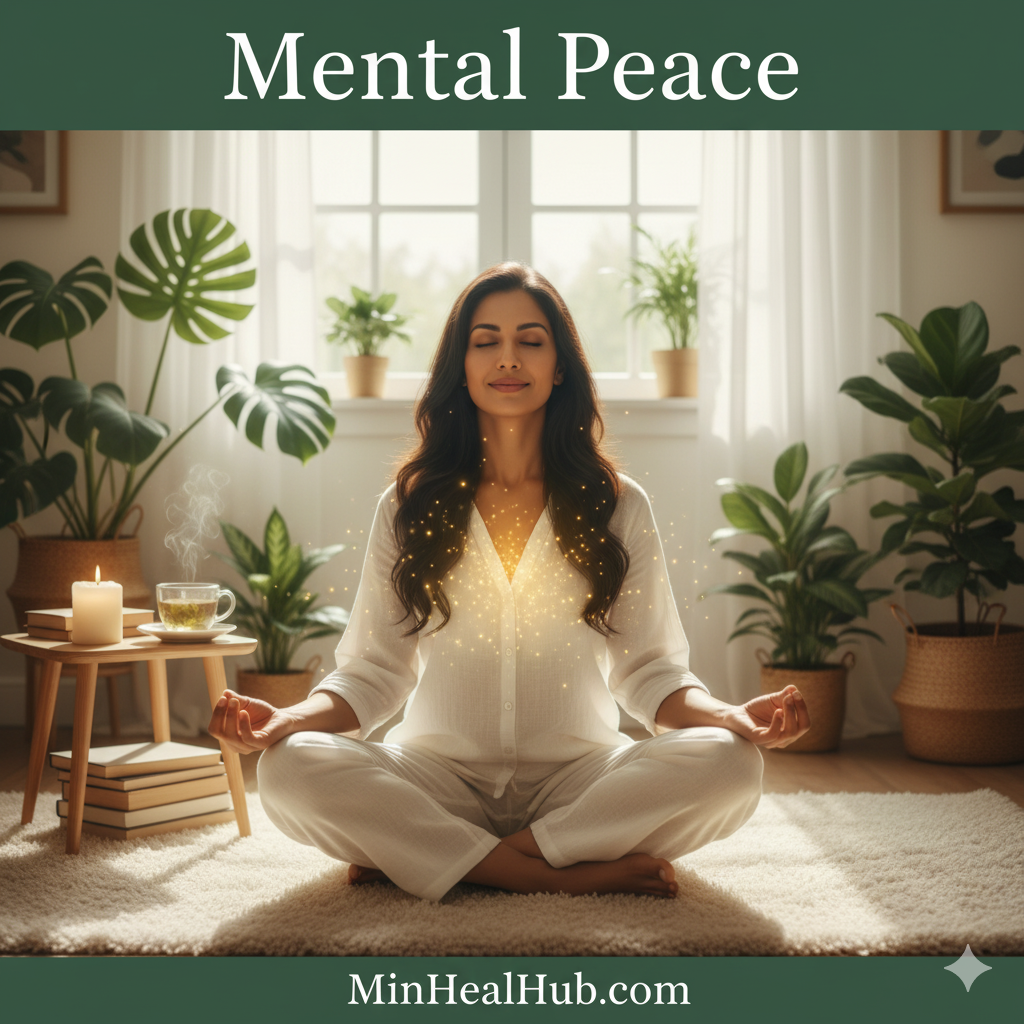
Before diving into the lessons, it’s important to understand what stillness truly means. Stillness isn’t about forcing your mind to go blank or eliminating all movement. Rather, it’s about creating intentional space—physically, mentally, and emotionally—where you can observe without immediately reacting.
The Science Behind Stillness
Research in neuroscience has revealed fascinating insights about what happens in our brains during moments of stillness. Studies show that when we engage in quiet reflection or meditation, the default mode network (DMN) in our brain activates. This network is associated with self-reflection, memory consolidation, and creative thinking.
According to research published in the journal Psychological Science, just 15 minutes of quiet rest can significantly improve memory consolidation and emotional processing. The practice of stillness literally rewires our neural pathways, creating stronger connections between regions responsible for attention, emotional regulation, and self-awareness.
The Difference Between Stillness and Meditation
While meditation is a structured practice of stillness, stillness itself is broader. It can occur during a mindful walk, while sipping tea without distraction, or in the pause between activities. Both serve the same purpose: creating space for awareness and insight.
Lesson 1: Presence Over Perfection
The Pursuit of Perfection Is Exhausting
Stillness reminds us that being present is more valuable than chasing perfect outcomes. When you slow down, small details reveal themselves: the breath, the warmth of sunlight, the rhythm of your thoughts. These simple observations reconnect you with the present moment, where life actually happens.
In our achievement-oriented culture, we’re conditioned to believe that productivity and perfection equal worthiness. This mindset creates chronic stress, anxiety, and burnout. Stillness offers a different perspective: that you are enough exactly as you are, in this very moment.
The Power of Imperfect Presence
Accepting imperfect moments reduces pressure and creates space for authentic living. This shift supports emotional well-being by replacing self-criticism with kind attention. When you practice presence without perfection, you:
- Reduce anxiety by letting go of future-focused worry
- Decrease rumination by releasing past mistakes
- Cultivate self-compassion by accepting yourself as a work in progress
- Improve relationships by being fully available to others
- Experience more joy by noticing beauty in ordinary moments
Practical Tips for Cultivating Presence
- The 5-4-3-2-1 Grounding Technique: When perfectionism overwhelms you, pause and notice 5 things you can see, 4 you can touch, 3 you can hear, 2 you can smell, and 1 you can taste. This brings you immediately into the present.
- Single-Tasking Practice: Choose one daily activity—washing dishes, eating lunch, or brushing your teeth—and do it with full attention. Notice textures, temperatures, and sensations.
- The “Good Enough” Mantra: When perfectionism whispers, respond with “This is good enough for now.” This simple phrase interrupts the perfectionist spiral.
- Micro-Moments of Stillness: Set gentle reminders throughout your day to pause for three conscious breaths. These tiny interruptions train your mind to return to presence.
Try This Journaling Prompt
Write three simple things you noticed today when you paused. How did noticing change your mood? Reflect on what you usually miss when you’re rushing. What does this tell you about where you place your attention?
Lesson 2: Clarity Through Quiet Reflection
The Fog of Constant Stimulation
In the absence of stillness, our minds become cluttered warehouses of information, opinions, and obligations. We scroll, consume, react, and move—but rarely do we truly think. Sitting in stillness clears the fog. Without constant input, choices and priorities often become clearer.
Neuroscientist Andrew Huberman’s research suggests that the brain requires periods of non-focus to consolidate information and generate insights. These “gap states” between focused activities are when our most creative and clear thinking occurs.
How Clarity Emerges from Silence
Stillness creates space for what psychologists call “productive introspection.” This is different from rumination (repetitive negative thinking). Productive introspection involves:
- Questioning assumptions you’ve held without examination
- Identifying core values that guide meaningful decisions
- Recognizing patterns in your behavior and reactions
- Accessing intuition that gets drowned out by external noise
Mindfulness practice, even for a few minutes, can reveal patterns of thought that drive behavior. Over time, that insight fuels steady personal development. You begin to understand not just what you think, but how and why you think it.
Creating Your Clarity Practice
Morning Pages: Write three pages of stream-of-consciousness content each morning. This practice, popularized by Julia Cameron in The Artist’s Way, clears mental clutter and often reveals surprising insights.
Question-Based Reflection: Instead of letting your mind wander aimlessly, give it gentle direction with questions like:
- What truly matters to me right now?
- What am I avoiding and why?
- What would I do if I weren’t afraid?
- What needs my attention today?
Walking Meditation for Clarity: Take a 10-minute walk without devices. Let your body move while your mind processes. Often, solutions emerge when you’re not actively forcing them.
Silence Retreats: Even an hour of intentional silence can reset your mental clarity. Turn off devices, avoid conversation, and simply be with yourself.
Try This Journaling Prompt
List one decision you’ve been avoiding. In silence, ask yourself what matters most and jot down the first three honest answers. Don’t edit or analyze—just write what emerges. Notice if any of these answers surprise you.
Lesson 3: Emotional Balance Is Learned, Not Found
The Myth of Constant Calm
Many people misunderstand stillness as the absence of emotion. This misconception leads to spiritual bypassing—the practice of using spiritual concepts to avoid dealing with difficult feelings. True stillness doesn’t erase feelings, but it teaches you to meet them without being swept away.
Emotional balance isn’t about achieving a permanent state of tranquility. It’s about developing the capacity to experience the full spectrum of human emotion without losing yourself in the storm.
The Neuroscience of Emotional Regulation
When you practice observing emotions in stillness, you strengthen the prefrontal cortex—the brain region responsible for executive function and emotional regulation. This creates what psychologist Daniel Goleman calls “emotional intelligence”: the ability to recognize, understand, and manage your emotions effectively.
By observing emotions calmly, you gain emotional regulation and resilience. This practice encourages curiosity about why you feel a certain way, rather than reacting automatically. The result is a balanced inner climate that supports healthier relationships and clearer thinking.
Understanding the RAIN Technique
One powerful approach to emotional balance through stillness is the RAIN technique developed by meditation teacher Michele McDonald:
R – Recognize: Notice what you’re feeling without immediately trying to change it A – Allow: Give the emotion permission to exist without judgment I – Investigate: Explore the feeling with curiosity—where do you feel it in your body? What triggered it? N – Nurture: Offer yourself compassion as you would a good friend
Building Emotional Resilience Through Stillness
Body Scan Meditation: Lie down and slowly bring attention to each part of your body. Notice where you hold tension or emotion. This practice builds somatic awareness—the ability to read your body’s emotional signals.
Emotion Journaling: When strong feelings arise, write about them descriptively rather than analytically. “I feel a tightness in my chest and a weight on my shoulders” rather than “I’m depressed because…”
The Pause Practice: Between stimulus and response, insert a pause. Viktor Frankl wrote, “Between stimulus and response there is a space. In that space is our power to choose our response.” Stillness trains you to find that space.
Loving-Kindness Meditation: This practice cultivates positive emotions intentionally. Begin with yourself (“May I be peaceful, may I be happy”), then extend to others. Research shows this practice significantly increases positive emotions and life satisfaction.
Try This Journaling Prompt
Notice a recent emotional reaction. Describe it without judgment. What need or value might that feeling point to? For example, anger might point to a need for respect or boundaries. Sadness might indicate something you value deeply.
Lesson 4: Less Noise, More Creativity
The Paradox of Productive Idleness
We live in a culture that equates constant activity with value. Yet creativity often arises in quiet spaces. When the mind isn’t frantically searching for answers, it can wander and connect ideas in new ways.
Creativity researcher Scott Barry Kaufman found that some of our most creative insights occur during “idle” activities—showering, walking, or daydreaming. He calls this “deliberate mind-wandering,” and it requires periods of reduced external stimulation.
How Stillness Fuels Innovation
Stillness becomes a fertile ground for imagination, allowing creative solutions and projects to emerge naturally. This happens through several mechanisms:
Reduced Cognitive Load: When you’re not processing constant information, your brain has resources available for creative synthesis.
Associative Networks: In relaxed states, your brain makes unexpected connections between seemingly unrelated concepts. This is how breakthrough ideas often occur.
Access to the Unconscious: Creative work often happens below conscious awareness. Stillness gives your unconscious mind space to work.
Overcoming Creative Blocks: When you stop forcing solutions, your mind stops tensing around problems. Often, answers appear when you let go.
Famous Creators and Their Stillness Practices
Many renowned creators attribute their best work to regular periods of stillness:
- Maya Angelou wrote in hotel rooms, creating a contained space free from distraction
- Steve Jobs practiced Zen meditation and attributed his innovative thinking to these practices
- Lin-Manuel Miranda famously conceived much of Hamilton during a quiet vacation
- J.K. Rowling had the idea for Harry Potter during a delayed train journey spent in quiet reflection
Cultivating Creative Stillness
Morning Creativity Window: The first hour after waking, when your mind is still in a theta wave state, is exceptionally creative. Protect this time from devices and input.
Boredom as a Tool: Schedule periods of deliberate boredom—sitting without entertainment or distraction. This trains your mind to generate its own stimulation through creative thinking.
Nature Immersion: Time in natural settings reduces mental fatigue and enhances creative problem-solving. Even looking at images of nature can have this effect.
Creative Rituals: Establish a pre-creative stillness ritual. This might be lighting a candle, brewing tea mindfully, or sitting in silence for five minutes. This signals to your brain that creative work is coming.
Try This Journaling Prompt
Spend five minutes in silence, then freewrite whatever comes to mind. Notice any unexpected ideas or images that appear. Don’t worry about coherence or quality—just let your pen move. Sometimes the most valuable insights appear in fragmented form.
Lesson 5: Consistent Small Practices Matter More Than Grand Gestures
The Compound Effect of Tiny Habits
One of the gentlest lessons of stillness is that small, regular pauses add up. You don’t need hour-long meditation sessions or week-long retreats (though those can be wonderful). A minute of deep breathing, a short walk without devices, or a nightly journaling habit builds steady change.
James Clear, author of Atomic Habits, explains that tiny improvements compound over time. A 1% improvement each day leads to being 37 times better over a year. This principle applies beautifully to stillness practices.
Why Small Works Better Than Big
Sustainable: Small practices fit into busy lives without requiring massive schedule overhauls
Less Resistance: Your brain doesn’t resist a two-minute pause the way it might resist a 30-minute meditation
Builds Identity: Frequent small actions shape your identity more effectively than occasional big ones. You become “someone who practices stillness” rather than “someone who occasionally meditates”
Accumulates Neuroplastic Change: Consistent brief practices create stronger neural pathways than sporadic long ones
These tiny practices are the backbone of emotional well-being and personal development. Over weeks and months, they reshape how you respond to stress and how you relate to yourself.
The Micro-Practice Menu
Choose practices that feel genuinely doable:
One-Minute Practices:
- Three conscious breaths at transitions (before meetings, after work, before meals)
- Mindful hand-washing, noticing temperature and sensation
- Noticing five things you’re grateful for
- Standing and stretching with full attention
Five-Minute Practices:
- Morning gratitude journaling
- Evening reflection on one thing you learned
- Guided meditation apps (Insight Timer, Calm, Headspace)
- Sitting with tea or coffee without devices
Ten-Minute Practices:
- Morning pages or stream-of-consciousness writing
- Walking meditation in your neighborhood
- Body scan before sleep
- Sitting meditation with a focus on breath
Tracking Without Pressure
Consider tracking your practice in a way that feels supportive rather than judgmental:
Habit Stacking: Attach your stillness practice to an existing habit. “After I pour my coffee, I will take three mindful breaths.”
Visual Reminders: Place small objects (a smooth stone, a special cup, a photograph) in locations where you want to remember to pause.
Gentle Check-Ins: Each Sunday, reflect on moments of stillness from the past week. Notice patterns without self-criticism.
The Two-Day Rule: Never skip your practice two days in a row. This prevents temporary breaks from becoming permanent abandonment.
Try This Journaling Prompt
Create a simple weekly plan: one short stillness practice you’ll commit to for seven days. At the end of the week, note any shifts in mood, focus, or how you relate to stress. What did you notice? What felt easiest? What challenged you?
Creating Your Personal Stillness Practice: A Step-by-Step Guide
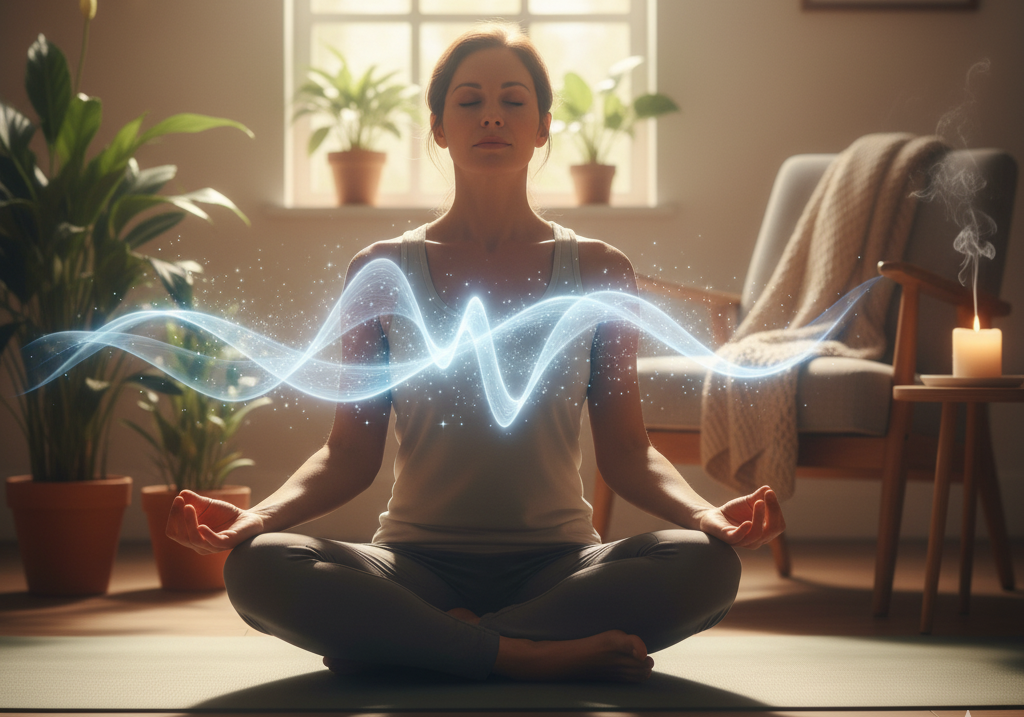
Now that you understand the five core lessons, let’s build a personalized practice that fits your life.
Step 1: Assess Your Current Relationship with Stillness
Answer these questions honestly:
- How often do you experience genuine stillness in a typical week?
- What makes you uncomfortable about slowing down?
- When you do pause, what happens in your mind?
- What would more stillness make possible in your life?
Step 2: Start Ridiculously Small
Choose one micro-practice from Lesson 5. Commit to it for two weeks. The key is consistency over duration. Two minutes daily beats thirty minutes once a week.
Step 3: Create Environmental Supports
Designated Space: Even a corner of a room with a cushion or comfortable chair can become your stillness space
Remove Obstacles: Keep your journal and pen accessible. Set your meditation app on your home screen. Make stillness easier than distraction.
Notification Boundaries: Use “Do Not Disturb” modes. Your stillness practice deserves protection from interruption.
Step 4: Track and Adjust
Keep a simple log of your practice. Note:
- When you practiced
- How long
- What you noticed
- How you felt after
After two weeks, review your notes. What’s working? What needs adjustment? Modify your practice based on what you learn.
Step 5: Gradually Expand
Once your initial practice feels established (usually 3-4 weeks), consider:
- Adding a minute or two to your practice
- Incorporating a second brief practice at a different time
- Exploring a new form of stillness (if you’ve been journaling, try sitting meditation)
Common Obstacles and How to Navigate Them
“My Mind Won’t Stop Thinking”
This is the most common misconception about stillness. Your mind will think—that’s its job. Stillness isn’t about stopping thoughts; it’s about changing your relationship with them. Notice thoughts as weather patterns passing through, rather than problems to solve.
“I Don’t Have Time”
This usually means “I haven’t made it a priority” or “I don’t believe it’s worth the time investment.” Start with genuinely tiny practices. You have time for three breaths. Build from there.
“I Fall Asleep When I Try to Be Still”
This often indicates sleep debt. Your body is seizing the opportunity to rest. Honor this by either practicing at a different time when you’re more alert, or by practicing stillness in positions other than lying down.
“Nothing Happens”
The benefits of stillness are often subtle and cumulative. You might not notice dramatic shifts, but others might comment that you seem calmer or more present. Trust the process.
“I Feel Anxious When I’m Still”
Stillness can initially increase awareness of anxiety you’ve been avoiding through constant activity. This is actually progress—you’re noticing what’s been there all along. Start with very brief practices and consider working with a therapist if anxiety feels overwhelming.
The Ripple Effects: How Stillness Transforms Daily Life
The lessons learned in stillness don’t stay confined to your practice periods. They ripple outward, transforming how you move through the world.
In Relationships
Presence makes you a better listener and more empathetic partner. When you’re comfortable with stillness in yourself, you can hold space for others without rushing to fix or advise.
In Work
Clarity and creativity enhance problem-solving and innovation. Emotional balance helps you navigate workplace challenges without reactive behavior. Brief stillness pauses can prevent burnout.
In Decision-Making
The ability to pause before responding improves every decision, from small daily choices to major life transitions. You learn to distinguish between fear-based reactions and values-based responses.
In Health
Stillness practices reduce stress hormones like cortisol, lower blood pressure, improve sleep quality, and strengthen immune function. The mind-body benefits are well-documented in medical literature.
In Self-Understanding
Perhaps most importantly, stillness deepens your relationship with yourself. You become acquainted with your patterns, values, fears, and dreams in a way that surface-level busyness never allows.
Conclusion: Your Invitation to Stillness
Stillness isn’t empty—it’s rich with lessons that support mindfulness, journaling, and emotional balance. By practicing presence over perfection, embracing quiet reflection, developing emotional balance, nurturing creativity, and committing to small consistent practices, you begin to notice deeper clarity, creativity, and steadiness.
The beauty of these lessons is their accessibility. You don’t need special equipment, expensive training, or hours of free time. You simply need willingness to pause, to notice, and to be with yourself as you are.
Each moment of stillness is both the practice and the reward. You’re not working toward some future state of enlightenment. You’re learning to inhabit your life more fully, right now.
Take one intentional pause today. Notice what happens when you stop. Write down what you observe. Let those small moments guide your personal development. The stillness is already here, waiting patiently for you to arrive.
Read Also : 10 Simple Mindfulness Exercises to Calm Your Mind
Frequently Asked Questions About Stillness and Mindfulness
What is stillness and how is it different from meditation?
Stillness refers to creating intentional space for awareness without immediate reaction or activity. While meditation is a structured practice with specific techniques, stillness is broader and can occur during any moment when you pause with awareness—during a walk, while drinking tea, or in the space between activities. Meditation is one path to stillness, but not the only one.
How long should I practice stillness each day?
Quality matters more than quantity. Even one to two minutes of genuine stillness can provide benefits, especially when practiced consistently. Research suggests that 10-15 minutes daily offers significant improvements in emotional regulation and mental clarity. Begin with what feels sustainable for you, even if that’s just three conscious breaths, and gradually expand your practice over time.
Can stillness really help with anxiety and stress?
Yes, scientific research supports this. Studies published in journals like JAMA Internal Medicine show that mindfulness and stillness practices significantly reduce anxiety symptoms. Stillness activates the parasympathetic nervous system (your “rest and digest” mode), lowering stress hormones like cortisol. The key is consistency—regular brief practices are more effective than occasional long sessions.
What if my mind races when I try to be still?
A racing mind is completely normal and doesn’t mean you’re “doing it wrong.” Stillness isn’t about stopping thoughts; it’s about observing them without getting caught in them. Imagine thoughts as clouds passing through the sky—you notice them but don’t chase them. With practice, the relationship with your thoughts changes even if their frequency doesn’t dramatically decrease.
Do I need special equipment or training to practice stillness?
No. Stillness is accessible to everyone without cost or special equipment. You might find a comfortable seat helpful, or a journal for reflection, but these aren’t requirements. Your breath and awareness are all you truly need. That said, if you want to deepen your practice, apps like Insight Timer or books on mindfulness can provide helpful guidance.
How long before I notice benefits from a stillness practice?
Many people report feeling calmer immediately after even one session of stillness. However, the deeper benefits—improved emotional regulation, enhanced clarity, greater creativity—typically emerge over 2-4 weeks of consistent practice. Neuroplastic changes (actual rewiring of brain pathways) are measurable after 8 weeks of regular mindfulness practice according to research from Massachusetts General Hospital.
Can stillness help with creativity and problem-solving?
Absolutely. Creativity researcher Scott Barry Kaufman found that idle, quiet time is when many breakthrough insights occur. Stillness reduces cognitive load, allowing your brain to make unexpected connections between ideas. Many artists, writers, and innovators credit their best work to regular periods of quiet reflection when they stop actively trying to force solutions.
Is stillness practice compatible with my religious or spiritual beliefs?
Stillness is a universal human experience that transcends specific religious or spiritual frameworks. While some meditation practices have roots in particular traditions, the simple act of pausing with awareness is secular and compatible with any belief system—or with none. You can practice stillness in whatever way aligns with your values and worldview.
What’s the best time of day to practice stillness?
The best time is whatever you’ll actually do consistently. Many find mornings ideal because the mind is naturally quieter upon waking. Others prefer evening stillness to process the day and prepare for sleep. Some benefit from brief pauses throughout the day. Experiment to discover what fits your rhythm and lifestyle.
How can I maintain a stillness practice when life gets busy?
This is when stillness matters most. Instead of abandoning your practice during busy periods, scale it down. Three conscious breaths before meetings, mindful hand-washing, or a one-minute pause before bed maintains the thread of practice. Remember: doing a tiny amount consistently is more valuable than doing nothing while waiting for “enough” time.
Reference Links:
https://en.wikipedia.org/wiki/Meditation#References
https://en.wikipedia.org/wiki/Mindfulness#References
3 thoughts on “5 Life Lessons You Learn Through Stillness”