
Discover calming hobbies that reduce stress for mindfulness, journaling, and emotional well-being that support relaxation and personal development naturally.
Table of Contents
Introduction: Finding Your Calm in a Chaotic World
When life feels noisy, a simple hobby can become a gentle anchor. In our fast-paced modern world, stress has become an unwelcome companion for millions. The constant barrage of notifications, deadlines, and responsibilities can leave us feeling depleted and overwhelmed. Yet the solution doesn’t always require expensive therapy sessions or elaborate wellness retreats. Sometimes, the most profound healing comes from simple, intentional activities that invite us back to ourselves.
Choosing activities that invite presence, curiosity, and quiet creativity helps build emotional balance and reduce everyday tension. This comprehensive guide explores calming hobbies—rooted in mindfulness, journaling, and personal development—that encourage relaxation without pressure. Whether you’re seeking relief from work stress, managing anxiety, or simply craving more peace in your daily routine, these evidence-based practices offer accessible pathways to a calmer mind and more centered life.
Read on for practical ideas, scientific insights, and gentle steps to bring more ease into your days.
Why Hobbies Matter for Mindfulness and Emotional Well-Being
The Science Behind Stress-Reducing Activities
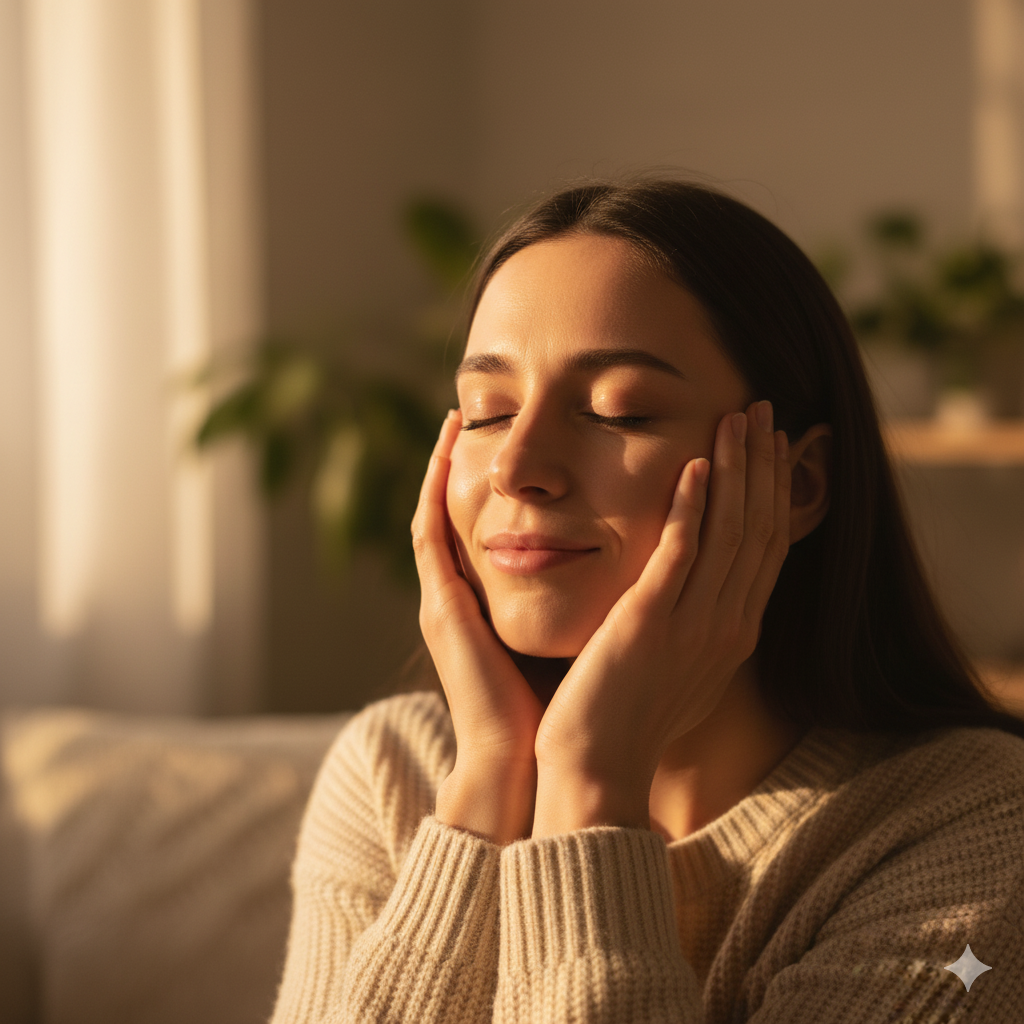
Hobbies offer more than distraction; they create space to practice awareness, notice emotions, and reconnect with what matters. A mindful hobby shifts attention from rumination to the present moment, promoting a sense of calm and clarity.
Research in neuroscience shows that engaging in pleasurable, focused activities triggers the release of dopamine and serotonin—neurotransmitters associated with happiness and well-being. When we immerse ourselves in an activity we enjoy, our brain’s default mode network quiets down, reducing the mental chatter that often fuels anxiety and stress.
Over time, regular engagement in restorative activities supports emotional well-being, sparks creativity, and advances personal development in small, sustainable ways. Studies have demonstrated that people who maintain hobbies report:
- Lower cortisol levels (the primary stress hormone)
- Improved sleep quality and duration
- Enhanced problem-solving abilities
- Stronger resilience in facing life challenges
- Greater life satisfaction and purpose
How Hobbies Complement Mental Health Care
While hobbies are powerful tools for stress management, they work best as part of a holistic approach to well-being. Think of them as daily vitamins for your mental health—preventative, nourishing, and cumulative in their benefits. They complement but don’t replace professional mental health support when needed.
The beauty of stress-reducing hobbies lies in their accessibility. You don’t need special equipment, expensive memberships, or advanced skills. What matters is consistency, curiosity, and the willingness to show up for yourself, even for just five minutes a day.
Top Stress-Reducing Hobbies to Try

1. Mindful Walking: Movement as Meditation
Mindful walking is a gentle practice that blends simple movement with attention to breath and surroundings. It’s accessible, free, and easy to fit into your day—whether you’re walking through a park, around your neighborhood, or even pacing in your living room.
Unlike exercise-focused walking where the goal is distance or speed, mindful walking emphasizes awareness. Each step becomes an opportunity to anchor yourself in the present moment, creating a moving meditation that calms the nervous system.
How to start: Choose a short route, notice each step, and bring attention to sounds, smells, and the feeling of your feet on the ground. No rules—just curiosity.
Practical tips for mindful walking:
- Begin with just 5-10 minutes to build the habit
- Leave your phone behind or keep it silenced
- Notice the rhythm of your breath matching your steps
- Pay attention to the temperature of the air on your skin
- Observe colors, textures, and movement around you
- When your mind wanders (and it will), gently return focus to your feet
Why it works: Walking meditation activates the parasympathetic nervous system, which counteracts the body’s stress response. The rhythmic nature of walking can be deeply soothing, while the change of scenery provides gentle stimulation that prevents rumination.
2. Journaling for Reflection and Emotional Balance
Journaling is a tool for noticing thoughts, processing feelings, and tracking growth. It’s especially helpful for people working on emotional awareness and personal development. The simple act of translating swirling thoughts into written words creates distance from overwhelming emotions and helps organize mental clutter.
How to start: Write for five to ten minutes about what you’re feeling, what you’re grateful for, or one small insight from your day. Use prompts if you feel stuck.
Different journaling approaches to explore:
Gratitude journaling: List three things you appreciate each day. This practice literally rewires the brain over time, training your attention toward positive aspects of life.
Stream of consciousness writing: Set a timer and write without stopping, editing, or censoring. This “brain dump” technique helps release pent-up thoughts and emotions.
Prompted reflection: Use questions like “What brought me joy today?” or “What challenge helped me grow?” to guide deeper self-exploration.
Emotional tracking: Note your moods and potential triggers to identify patterns and develop greater self-awareness.
Future self letters: Write to yourself six months or a year from now, articulating hopes and setting gentle intentions.
Practical journaling strategies:
- Keep your journal by your bedside for easy morning or evening practice
- Use gratitude lists to shift perspective during difficult days
- Try free-writing to release heavy thoughts without judgment
- Reflect weekly to see patterns and growth over time
- Experiment with different formats—bullet points, paragraphs, drawings, or mind maps
Read also: “daily-gratitude-habits”
The therapeutic power of journaling: Studies show that expressive writing can reduce symptoms of anxiety and depression, improve immune function, and enhance overall psychological well-being. By externalizing our internal experiences, we gain clarity and perspective that’s difficult to achieve through thought alone.
3. Gardening and Caring for Plants: Growing Peace
Working with soil and plants connects you to nature’s rhythm and cycles. Gardening invites patience and quiet observation—perfect for calming a busy mind. There’s something profoundly therapeutic about nurturing living things, watching them grow, and accepting that some things are beyond our control.
How to start: Pick a low-maintenance plant or herb, set aside a few minutes daily to water and check on it, and notice how tending to growth mirrors personal growth.
Beginner-friendly gardening ideas:
Indoor herb garden: Start with basil, mint, or parsley on a sunny windowsill. These plants offer quick rewards and culinary benefits.
Succulent collection: These forgiving plants require minimal care while providing aesthetic pleasure and a sense of accomplishment.
Container vegetables: Grow cherry tomatoes, lettuce, or peppers in pots on a balcony or patio.
Windowsill microgreens: Fast-growing and nutritious, microgreens offer satisfaction within days.
Community garden plot: Connect with others while tending a shared green space.
The healing elements of gardening:
- Sensory engagement: The smell of earth, texture of leaves, and sounds of nature stimulate the senses in soothing ways
- Grounding effect: Physical contact with soil contains beneficial microbes that may boost mood
- Patience practice: Plants grow on their own timeline, teaching acceptance and presence
- Achievement without pressure: Small wins (a new sprout, a blooming flower) provide natural dopamine boosts
- Connection to seasons: Following nature’s cycles helps us align with larger rhythms beyond daily stress
Even if you don’t have outdoor space, caring for a single houseplant can provide many of these benefits. The key is consistent, mindful attention rather than scale or expertise.
4. Creative Arts: Painting, Drawing, and Crafting
Creative hobbies give the mind permission to wander without harsh judgment. Whether you paint, sketch, knit, make collages, or build models, the act of making slows racing thoughts and cultivates presence. When we create, we enter a state psychologists call “flow”—complete absorption that quiets anxiety and brings joy.
How to start: Choose simple materials, allow imperfect results, and focus on the sensation of creating rather than the outcome.
Accessible creative practices:
Adult coloring books: Pre-drawn designs eliminate performance pressure while providing meditative focus.
Watercolor painting: The fluid, unpredictable nature of watercolors encourages letting go of control.
Collage making: Combining images and textures from magazines offers expressive freedom without requiring drawing skills.
Hand lettering or calligraphy: The repetitive strokes are meditative while producing beautiful results.
Pottery or clay work: The tactile nature of working with clay is deeply grounding and satisfying.
Knitting or crocheting: Repetitive stitching creates a meditative rhythm while producing functional items.
DIY craft projects: From making candles to building terrariums, hands-on projects engage the mind fully.
Why creative expression reduces stress:
- Activates the brain’s reward center through completion and mastery
- Provides a safe outlet for processing complex emotions
- Shifts focus from problems to possibilities
- Engages fine motor skills, which has a calming neurological effect
- Creates tangible evidence of time well spent
- Builds self-efficacy through skill development
Read also: “mindfulness-exercises”
Permission to be imperfect: The most important principle in therapeutic art is embracing the process over the product. Your painting doesn’t need to be gallery-worthy. Your knitting can have uneven stitches. What matters is that you showed up, engaged your creativity, and gave yourself time to play.
5. Gentle Movement: Yoga and Stretching
Gentle yoga or stretching blends physical release with mindful attention. These practices support body awareness and offer a calming anchor for the nervous system. Unlike high-intensity exercise, which can sometimes increase stress hormones, gentle movement sends safety signals to your body.
How to start: Follow a short, beginner-friendly routine that emphasizes slow movement and breath. Aim for consistency over intensity.
Types of calming movement practices:
Restorative yoga: Uses props to support the body in passive poses held for several minutes, promoting deep relaxation.
Yin yoga: Focuses on long-held stretches that target connective tissue and encourage meditation.
Chair yoga: Accessible for all mobility levels, bringing yoga benefits to anyone who can sit.
Simple stretching routines: Even 10 minutes of gentle stretches before bed can improve sleep and reduce tension.
Tai chi or Qigong: Slow, flowing movements rooted in ancient practices that cultivate inner calm.
Benefits beyond flexibility:
- Releases physical tension stored in muscles
- Improves body awareness and interoception (sensing internal states)
- Regulates breathing, which directly impacts the nervous system
- Provides a dedicated time to tune into physical sensations
- Builds strength and balance gently over time
- Can be adapted to any fitness level or physical limitation
Getting started without intimidation: You don’t need to attend a studio class or invest in expensive equipment. A yoga mat (or even a towel) and free online videos provide everything needed to begin. Start with 10-minute videos labeled “beginner,” “gentle,” or “restorative,” and notice how your body feels afterward.
6. Breath-Aware Practices: Simple and Grounding
Though not a substitute for medical guidance, focusing on the breath can be a simple way to bring attention back to the present moment. It pairs well with many hobbies and journaling exercises. Breath is the bridge between body and mind—the one physiological process we can consciously control that directly influences our stress response.
How to start: Pair a few conscious breaths with an activity—notice the inhale and exhale as you draw, walk, or tend a plant.
Simple breathing techniques:
4-7-8 breathing: Inhale for 4 counts, hold for 7, exhale for 8. This pattern activates the parasympathetic nervous system.
Box breathing: Inhale for 4, hold for 4, exhale for 4, hold for 4. Used by Navy SEALs to manage stress.
Diaphragmatic breathing: Place one hand on your chest and one on your belly. Breathe so the belly hand rises more than the chest hand, engaging the diaphragm fully.
Breath counting: Simply count each exhale up to 10, then start again. When you lose count, return to one.
Natural breathing observation: Don’t change your breath; just notice it. This non-interventional approach can be deeply calming.
Integrating breathwork throughout your day:
- Three deep breaths before starting work tasks
- Conscious breathing while waiting in line or traffic
- Breath awareness during transitions (entering home, before meals)
- Pairing breath with movement in any physical activity
- Using breath as an anchor when emotions feel overwhelming
Read also: “simple-stress-relief-techniques”
7. Reading for Escape and Perspective
Reading fiction or inspirational non-fiction provides a healthy escape while expanding empathy and understanding. When we immerse ourselves in a story, our brain responds as if we’re experiencing the events, providing a vacation from our own concerns.
Why reading reduces stress:
- Lowers heart rate and eases muscle tension within minutes
- Provides perspective on our own challenges
- Stimulates imagination and creativity
- Improves sleep when done before bed (physical books, not screens)
- Builds emotional intelligence through experiencing diverse characters
Creating a reading ritual: Set aside 20-30 minutes before bed with a physical book, a comfortable space, and perhaps a calming beverage. This routine signals to your body that it’s time to wind down, improving both reading enjoyment and sleep quality.
8. Nature Connection: Forest Bathing and Outdoor Time
The Japanese practice of shinrin-yoku (forest bathing) involves simply being present in nature, engaging all five senses. Research shows that time in natural settings significantly reduces stress hormones and blood pressure.
Ways to practice nature connection:
- Sit quietly in a park or natural area for 20 minutes
- Collect natural objects (leaves, stones, shells) mindfully
- Listen to natural sounds (birds, wind, water)
- Practice grounding by removing shoes and standing on earth
- Watch clouds, stars, or sunset with full attention
Nature’s healing mechanisms: Natural environments contain phytoncides (airborne chemicals plants release) that boost immune function and mood. The color green has been shown to have calming effects on the nervous system. Even viewing nature photographs can reduce stress when outdoor access is limited.
9. Music and Sound: Listening and Creating
Engaging with music—whether listening intentionally, playing an instrument, or singing—provides powerful stress relief. Music activates multiple brain areas simultaneously, creating a full-system experience that can shift mood rapidly.
Therapeutic music practices:
- Create calming playlists for different moods or times of day
- Learn a simple instrument (ukulele, keyboard, hand drum)
- Sing along to favorite songs (singing stimulates the vagus nerve)
- Attend live music when possible for communal emotional experience
- Explore sound healing (singing bowls, tuning forks, binaural beats)
The science of music therapy: Studies show that slow tempo music (60-80 BPM) can synchronize with heart rate, creating physiological calm. Music you find personally meaningful is most effective, regardless of genre.
10. Cooking and Mindful Eating
Preparing food with intention transforms a daily necessity into a meditative practice. The sensory richness of cooking—aromas, textures, colors, tastes—naturally anchors attention in the present.
Cooking as stress relief:
- Choose simple recipes that aren’t time-pressured
- Focus fully on one task at a time (chopping, stirring, seasoning)
- Notice the transformation of ingredients
- Engage smell and taste throughout the process
- Share your creations with others for connection
Mindful eating practices: Once the meal is prepared, eat slowly, without screens, noticing flavors, textures, and your body’s signals. This practice reduces stress eating and increases satisfaction with smaller portions.
How to Choose a Hobby That Fits Your Life
Choosing a hobby is personal. The best stress-reducing hobby is one you’ll actually do consistently. Ask yourself: What calms me? What feels doable in my schedule? What sparks curiosity rather than pressure?
Questions to guide your choice:
- Do I prefer solitary or social activities?
- Am I drawn to physical movement or stillness?
- Do I want to create something tangible or have an experience?
- How much time can I realistically commit?
- What have I enjoyed in the past that I’ve stopped doing?
- What interests me but I’ve been too intimidated to try?
Practical considerations:
Start small: Five to ten minutes can be enough to begin building a habit. Don’t overwhelm yourself with ambitious goals.
Rotate activities: Keep interest fresh by having 2-3 hobbies you cycle through rather than forcing one daily practice.
Consider your energy levels: Match activities to your current capacity. Some days call for gentle stretching; others might support a longer walk or creative session.
Team up with a friend: Accountability and shared enjoyment make hobbies more sustainable and socially nourishing.
Allow experimentation: Try activities for at least 2-3 weeks before deciding if they fit. Some hobbies take time to feel natural.
Remember that the goal isn’t mastery or productivity. It’s cultivating a habit of presence and gentle self-care that supports emotional well-being and personal development. Your hobby should feel like a gift you give yourself, not another item on your to-do list.
Combining Hobbies with Journaling for Deeper Insight
Pairing a hobby with journaling amplifies reflection and self-awareness. After a walk or creative session, spend a few minutes noting sensations, emotions, and small shifts in perspective. This practice creates a feedback loop that enhances both activities.
Journal prompts after hobby time:
- “What surprised me during this activity?”
- “What felt nourishing about this experience?”
- “What did I notice in my body or mind?”
- “What resistance came up, and how did I work with it?”
- “What would I like to explore more deeply next time?”
These short reflections build self-awareness and help track progress over time. You’ll begin noticing patterns—which activities help most during different emotional states, how your relationship with the hobby evolves, and subtle improvements in overall well-being.
Read also: “how-to-stop-overthinking”
Practical Tips to Keep Momentum
Consistency beats intensity. The hobby that you do regularly for 10 minutes brings more benefits than the one you do perfectly but rarely. Choose realistic rituals and celebrate small wins. Treat hobbies as invitations, not chores.
Strategies for sustainable practice:
Schedule short sessions: Put hobby time in your calendar like any important appointment. Protect this time from other demands.
Create a cozy space: Dedicate a corner, basket, or shelf to your hobby materials. Having everything ready removes barriers to starting.
Lower the barrier to entry: Keep your journal on your nightstand, your yoga mat unrolled, your watercolors on the table. Make starting effortless.
Use habit stacking: Attach your hobby to an existing routine. “After my morning coffee, I’ll write for 5 minutes.”
Limit comparisons: Social media showcases everyone’s highlight reels. Your practice is about your experience, not matching others’ performance or aesthetic.
Track gently: Use a simple check mark on a calendar to acknowledge your efforts without creating pressure.
Expect imperfection: Some days you’ll skip. Some sessions won’t feel magical. That’s normal. What matters is returning, not never leaving.
Celebrate small wins: Did you paint for 10 minutes today? That’s a win. Did you notice three things during your walk? That’s worth acknowledging.
When to Pause and Reassess
Sometimes a hobby stops feeling helpful—and that’s okay. Perhaps what once brought peace now feels obligatory. Maybe your interests have evolved, or your life circumstances have changed. Pause, reflect in your journal, and try something different. The aim is emotional balance and growth, not perfection or permanent commitment.
Signs it might be time to adjust:
- The hobby consistently increases rather than decreases stress
- You feel guilt or obligation rather than anticipation
- You’re pushing through pain (physical or emotional) rather than working with your limits
- The hobby has become about external validation rather than internal experience
- You’ve genuinely lost interest, and forcing it feels inauthentic
How to reassess mindfully:
- Journal about what the hobby originally provided and whether that need has changed
- Experiment with modifications before abandoning the practice entirely
- Take a brief break and notice whether you miss it
- Ask whether expectations have become too rigid or perfectionistic
- Consider whether other life stressors are affecting your experience
Allow curiosity to guide you. If a hobby brings more stress than calm, adjust expectations or switch to a gentler activity. Your relationship with stress-reducing practices should itself feel relatively stress-free.
Building a Personalized Stress-Relief Routine
Rather than adopting every suggestion, create a simple routine that weaves 2-3 hobbies into your week. This provides variety while maintaining focus and consistency.
Sample weekly routine:
- Monday, Wednesday, Friday: 15 minutes of gentle yoga or stretching
- Tuesday, Thursday: 10 minutes of journaling
- Saturday: Longer creative session (painting, crafting, gardening)
- Sunday: Mindful walk in nature
- Daily: 3 conscious breaths during transitions
Adapting to life’s rhythms: During busier seasons, your routine might shrink to a single daily practice. During more spacious times, you might expand. This flexibility prevents the all-or-nothing thinking that derails many wellness practices.
The Long-Term Benefits of Stress-Reducing Hobbies
The true power of these practices reveals itself over months and years, not days. As stress-reducing hobbies become woven into the fabric of your life, you may notice:
- Increased resilience: Challenges don’t overwhelm as quickly or completely
- Better emotional regulation: You have tools to work with difficult feelings
- Enhanced creativity: Regular creative practice spills into problem-solving in other areas
- Deeper self-knowledge: You understand your patterns, triggers, and needs more clearly
- Improved relationships: When you’re less stressed, you have more capacity for connection
- Greater life satisfaction: Regular engagement in meaningful activities creates a sense of purpose
- Physical health benefits: Lower blood pressure, better sleep, stronger immune function
These hobbies don’t eliminate stress—life will always include challenges—but they change your relationship with stress. Instead of feeling like a helpless victim of circumstances, you have reliable practices that help you return to center.
Overcoming Common Obstacles
“I don’t have time.” Start with just 5 minutes. Often, the belief that we need lengthy sessions prevents us from starting at all. Brief, consistent practice beats sporadic longer sessions.
“I’m not creative/flexible/artistic enough.” These hobbies aren’t about skill or talent; they’re about presence and self-care. Beginner’s mind is actually ideal—curiosity without judgment.
“I feel guilty taking time for myself.” Self-care isn’t selfish; it’s foundational. You cannot pour from an empty cup. Taking time to reduce your stress benefits everyone around you.
“I tried journaling/yoga/painting before and it didn’t work.” Perhaps the timing wasn’t right, or you needed a different approach. Return with fresh eyes and adjusted expectations.
“My mind won’t quiet down during these activities.” That’s normal and expected. The goal isn’t to eliminate thoughts but to change your relationship with them. Notice when your mind wanders, and gently return to the activity without self-criticism.
Conclusion: Your Invitation to Begin
Mindful hobbies—whether walking, journaling, gardening, or creating—offer simple pathways to relaxation, emotional awareness, and personal development. In a world that often feels chaotic and demanding, these practices create islands of calm, moments where you’re not performing or producing, just being present with yourself.
Start small, stay curious, and notice how tiny, consistent practices build a quieter, more balanced inner life. You don’t need to adopt every suggestion or create an elaborate routine. Choose one practice that resonates, commit to just a few minutes daily, and observe what unfolds.
Reflect often and let your hobbies evolve with you. What serves you now may change in six months, and that’s perfectly fine. The journey of finding and refining practices that support your well-being is itself a form of self-care.
Remember: there’s no wrong way to do this. Your unique combination of stress-reducing hobbies is waiting to be discovered. The first step is simply beginning—picking up a pen, rolling out a mat, taking that first mindful step, or placing your hands in soil. Your calmer, more centered self is worth those few minutes today.
Read also: Breathing Techniques to Lower Anxiety
Frequently Asked Questions (FAQ)
What is the best hobby for reducing stress?
The best stress-reducing hobby is one you’ll actually practice consistently. Mindful walking, journaling, and gentle yoga are among the most accessible and scientifically supported options. The ideal choice depends on your preferences, schedule, and what naturally draws your interest. Activities that engage your attention fully while allowing your mind to rest from rumination tend to be most effective.
How long should I practice a stress-reducing hobby each day?
Start with just 5-10 minutes daily. Brief, consistent practice is more beneficial than sporadic longer sessions. As the habit becomes established, you can naturally extend your practice time. Even five minutes of intentional, present engagement in a calming activity can shift your nervous system toward relaxation and provide measurable stress relief.
Can hobbies replace therapy or medication for stress management?
Stress-reducing hobbies are valuable self-care tools but should not replace professional mental health treatment when needed. They work best as part of a comprehensive approach to well-being, complementing (not substituting for) therapy, medication, or other medical interventions when appropriate. If you’re experiencing persistent anxiety, depression, or overwhelming stress, consult with a mental health professional.
What if I don’t feel immediate stress relief from these hobbies?
Stress-reducing benefits often accumulate over time rather than appearing instantly. Give any new practice at least 2-3 weeks of consistent engagement before evaluating its effectiveness. Some people notice subtle shifts within days, while others experience more gradual changes over weeks or months. The practice itself is valuable regardless of immediate results, as you’re building skills and habits that support long-term resilience.
How do I find time for hobbies when my schedule is already full?
Start incredibly small—even 5 minutes counts. Look for existing time slots you can transform: morning coffee time, your commute (mindful walking or breathing), lunch break, or before bed. Consider whether some current activities (like scrolling social media) could be replaced with stress-reducing hobbies. Use “habit stacking” by attaching your hobby to an existing routine.
Are digital or app-based hobbies effective for stress reduction?
While apps can provide structure and guidance (meditation apps, digital drawing, etc.), activities that involve physical engagement or reduce screen time often provide more stress relief. If using digital tools, choose those specifically designed for mindfulness and well-being, and be mindful of not falling into mindless scrolling or comparison patterns that increase rather than decrease stress.
What’s the difference between a stress-reducing hobby and simple distraction?
Stress-reducing hobbies involve present-moment awareness and intentional engagement, while distractions help you avoid or escape difficult feelings temporarily. Mindful hobbies help you develop skills to work with stress, building long-term resilience. Distractions provide temporary relief but don’t change your relationship with stress. Both have their place, but hobbies that cultivate mindfulness provide more lasting benefits.
Can I practice multiple stress-reducing hobbies, or should I focus on one?
Having 2-3 hobbies you rotate through can prevent boredom and address different needs. For example, you might journal for emotional processing, walk for physical movement, and paint for creative expression. However, starting with one practice and building consistency before adding others often leads to better long-term adherence than trying to adopt many new habits simultaneously.
What if I feel worse after trying a stress-reducing hobby?
Sometimes beginning a mindfulness practice can temporarily increase awareness of difficult emotions you’ve been avoiding. This is normal and often part of the healing process. However, if a hobby consistently increases your distress, it may not be the right fit right now. Try a gentler alternative, adjust your approach, or consider working with a therapist to process what’s arising. Trust your experience.
How do I stay motivated when I don’t see immediate results?
Focus on the process rather than outcomes. Keep a simple log of practice with brief notes about your experience. Often, changes are subtle and cumulative—you might not notice day-to-day shifts but will see clear differences when looking back over weeks or months. Celebrate the act of showing up for yourself rather than measuring success by stress levels. Trust that consistency creates change even when it’s not immediately visible.
Reference Links: https://en.wikipedia.org/wiki/Stress_(biology)#References




1 thought on “Best Hobbies That Reduce Stress Naturally: A Complete Guide to Mindful Living”