It’s late, the house is quiet, but your mind won’t switch off. Feeling trapped by worries, replaying moments, or fearing tomorrow is exhausting. If you search for help, these Best night anxiety tips for better mental health 15 are written for you—practical steps to calm racing thoughts and rebuild nightly safety, so sleep becomes a place of rest instead of stress.
Table of Contents
- Understanding Night Anxiety
- Causes or Triggers
- Main Guide
- Practical Tips
- Common Mistakes
- FAQs
- Conclusion
Understanding Night Anxiety
Night anxiety is that wave of worry, tension, or fear that surfaces when the world quiets down and distractions fade. It can look like racing thoughts, physical restlessness, or a sense of dread that ramps up as bedtime approaches.
People often feel ashamed or confused by it, but night anxiety is common and treatable. Recognizing it as a response—rather than a personal failing—makes the first step feel less daunting.
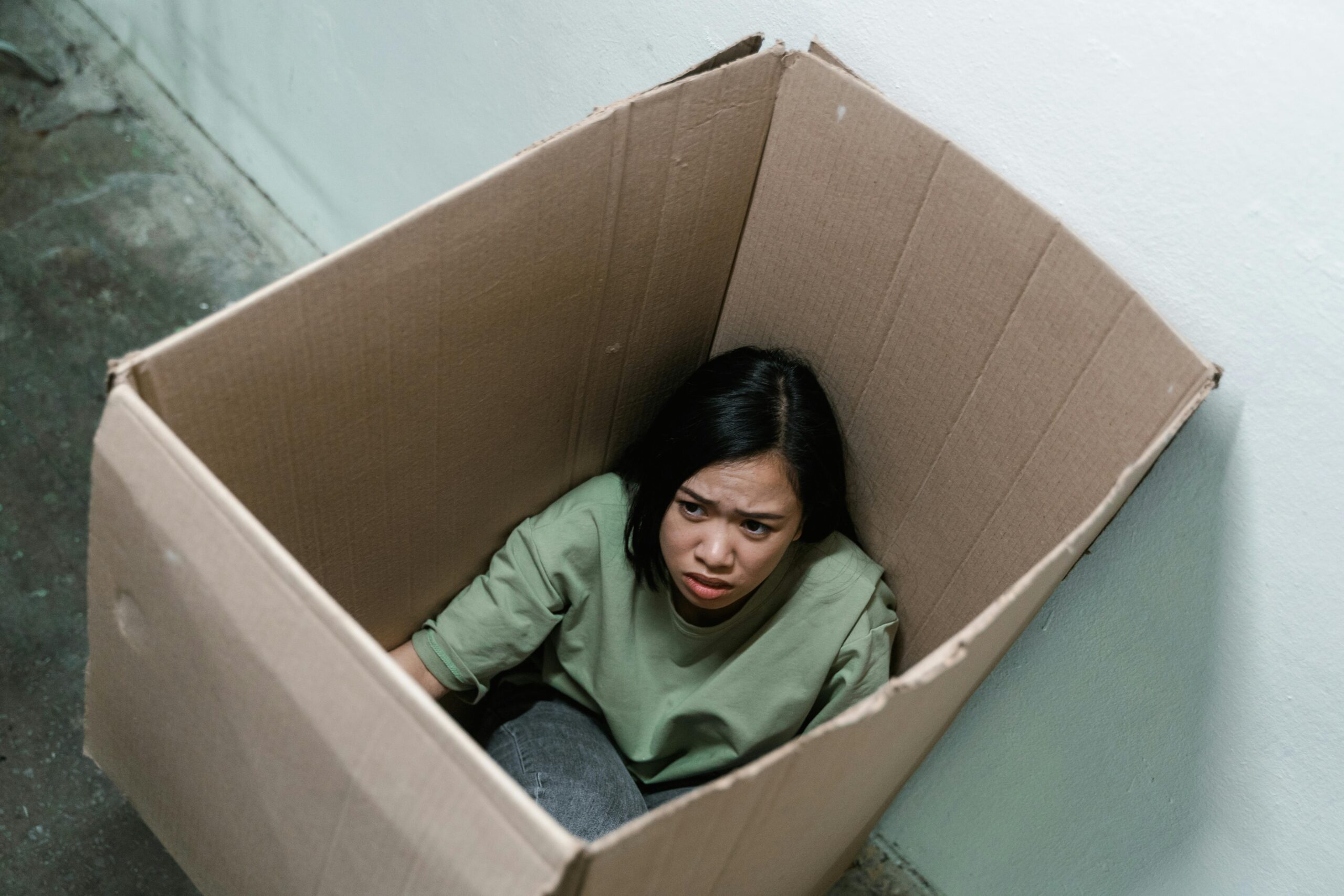
Soon after we look at what triggers these nighttime surges, you’ll get a step-by-step guide and practical night anxiety tips you can use immediately. These strategies are a mix of behavioral tools, environment changes, and gentle tech recommendations.
Causes or Triggers
Night anxiety usually stems from a mix of biology, daily habits, and thought patterns. At night, fewer distractions mean the brain has more bandwidth to replay worries or imagine worst-case scenarios.
Common triggers include stress at work, relationship tension, caffeine late in the day, irregular sleep, unresolved daytime emotions, and certain medications. Physical factors like low magnesium, chronic pain, or hormonal shifts can also increase nighttime unease.

Understanding triggers helps you choose the most effective night anxiety tips. Some causes are easy to change; others need more support. Either way, small steady steps make nights calmer over time.
Main Guide — Best night anxiety tips for better mental health 15
This guide groups strategies into immediate tools, evening routines, longer-term habits, and when to seek help. Mix and match what fits your life—consistency matters more than perfection.
Immediate tools to calm a spike of night anxiety
- 5-4-3-2-1 grounding: Name 5 things you see, 4 you can touch, 3 you hear, 2 you smell, 1 you taste or a calming thought. This shifts focus from fear to senses.
- Box breathing: Inhale 4 seconds, hold 4, exhale 4, hold 4. Repeat 6–8 cycles to slow the nervous system.
- Progressive muscle relaxation: Tense and relax each muscle group from toes to face. This reduces bodily tension that feeds anxious thoughts.
Evening routine: structure your last two hours
- Set a wind-down window: 60–90 minutes before bed, switch to low-stimulation activities—reading, dim lighting, gentle stretches.
- Digital sunset: Turn off blue-light devices or use night modes. Limit social media and news that can spike worry.
- Pre-sleep “worry file”: Keep a notepad by the bed. If a worry pops up, write it down and choose a short action or a time to revisit it in the morning.
Sleep environment adjustments
- Cool, dark, and quiet: Lower room temperature slightly; use blackout curtains and white noise or a fan.
- Reserve bed for sleep and intimacy: Avoid working, scrolling, or watching intense shows in bed to strengthen the sleep-brain link.
- Comfort anchors: A weighted blanket, supportive pillow, or soothing scent (lavender) can signal safety to your brain.
Lifestyle and daytime habits that reduce night anxiety
- Consistent sleep schedule: Wake and sleep at similar times—even on weekends—to stabilize circadian rhythm.
- Limit late caffeine and alcohol: Both can disrupt sleep architecture and increase nighttime awakenings and anxiety.
- Move daily: Moderate exercise, especially earlier in the day, lowers baseline anxiety and improves sleep quality.
Cognitive tools: change how you respond to anxious thoughts
- Label the thought: Say “that’s an anxious thought” then let it pass. Labels reduce emotional charge.
- Practice brief mindfulness: 3–5 minutes of focused breathing reduces reactivity and creates distance from worries.
- Balanced thinking: Ask, “What evidence supports this worry?” and “What evidence contradicts it?” Replace catastrophic predictions with realistic possibilities.
Apps and tools (soft recommendations)
- Sleep-focused apps: Look for guided sleep meditations and body scans from reputable mental health or meditation apps.
- CBT workbooks and guided programs: Online CBT modules for anxiety can teach skills to reduce nighttime worry.
- Wearable tracking: Use sleep trackers sparingly—data can help but over-monitoring may increase worry. Choose devices that emphasize gentle feedback.
When to seek professional help
- If night anxiety regularly disrupts sleep or daytime functioning, consider seeing a mental health professional.
- Therapies like CBT for insomnia (CBT-I) and CBT for anxiety are evidence-based and highly effective.
- If you have suicidal thoughts, severe panic, or symptoms of a mood disorder, contact a clinician or emergency services immediately.
Practical Tips
- Actionable tip: Create a 15-minute pre-bed “safety ritual”—dim lights, write a 3-item plan for tomorrow, and do a 2-minute breathing exercise.
- Real-life example: Maria, who used to ruminate about work, found that a nightly 5-minute “worry list” cut her awake time in half by giving her a concrete place to park concerns.
- Simple habit: Each evening, replace one caffeinated drink with a non-caffeinated herbal tea and note sleep quality for two weeks.

These practical tips are small and doable. The goal is steady improvement—tiny habits stacked over weeks create real change in how your nervous system responds at night.
Common Mistakes to Avoid
- Chasing sleep with screens: Scrolling at night often increases anxiety. Quick fix: set a hard cutoff 60 minutes before bed and put devices in another room.
- Over-caffeinating late in the day: Many forget caffeine lingers. Quick fix: switch to decaf or herbal drinks after 2–3 PM and notice sleep changes within a week.
- Waiting for perfect conditions: Expecting the “ideal” night can lead to avoidance. Quick fix: practice your tools even on imperfect nights—consistency matters more than perfection.
FAQs
How can I stop night anxiety quickly?
Try grounding and breathing techniques first: 5-4-3-2-1 grounding and box breathing can reduce immediate panic. Follow with a short body-scan or progressive muscle relaxation to release physical tension.
Are there natural remedies that help night anxiety?
Yes. Lifestyle changes like consistent sleep schedules, reducing caffeine and alcohol, regular exercise, and calming herbs (like chamomile or lavender) can help. Always check interactions with medications.
When should I see a professional about night anxiety?
See a clinician if anxiety regularly prevents sleep, causes daytime impairment, or if you experience intense panic, suicidal thoughts, or signs of depression. Therapies like CBT and CBT-I are effective options.
Can sleep apps actually help with night anxiety?
Sleep apps with guided meditations, body scans, or CBT-based exercises can be helpful when used consistently. Choose apps backed by mental health professionals and use them as a tool, not a sole treatment.
What if I wake up anxious in the middle of the night?
Keep a notepad and light by the bed. Write the worry down, use a 2-minute breathing exercise, and avoid checking screens. If you can’t fall back asleep after 20 minutes, get up, do a calm activity, then try again.
Conclusion
Night anxiety is painful, but it’s manageable with consistent habits and practical tools. Start with one change—a nightly 15-minute wind-down or a simple breathing routine—and track how your sleep shifts over two weeks.
Small, repeated actions build safety. If symptoms persist or worsen, reach out to a mental health professional for targeted support. Take one gentle step tonight: try the 5-4-3-2-1 grounding exercise and notice how your mind responds.


