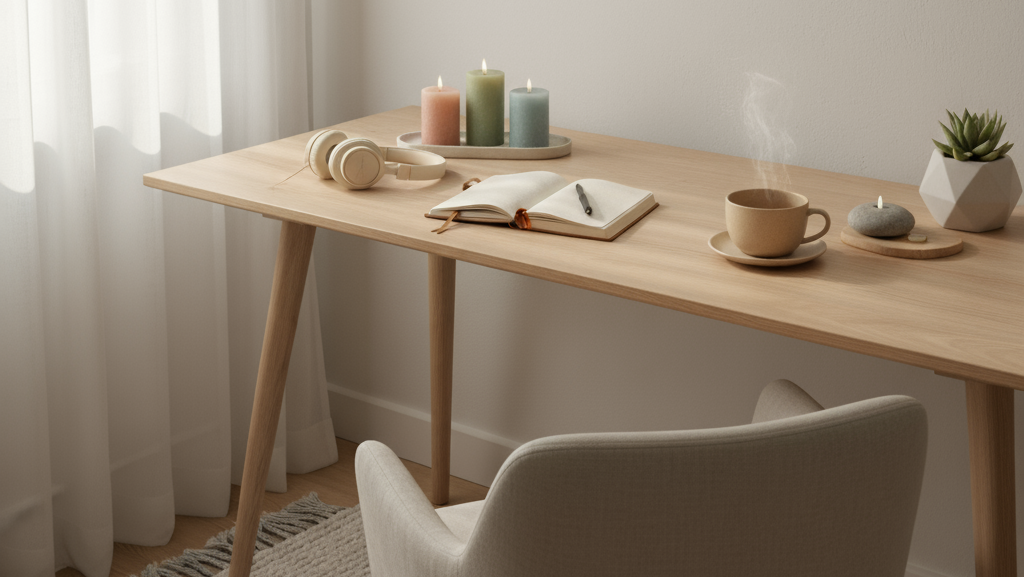
Struggling to wind down after a long day can feel overwhelming. If racing thoughts and restless nights have become your norm, it’s time to explore effective night routine tips that support better mental health. Establishing a calming night routine isn’t just about improving sleep; it’s about nurturing your mind and body to heal, recharge, and face tomorrow with clarity and calm.
Table of Contents
Understanding Sleep
Sleep is more than just rest; it’s a vital process where your brain and body repair and renew. Good sleep helps regulate mood, memory, and overall mental health. When we don’t get enough quality sleep, stress and anxiety can increase, making it harder to cope with daily challenges.
Our sleep follows natural cycles, including deep and REM sleep stages, which are essential for emotional balance and cognitive function. Creating a consistent night routine helps signal to your brain that it’s time to switch off and prepare for these restorative processes.
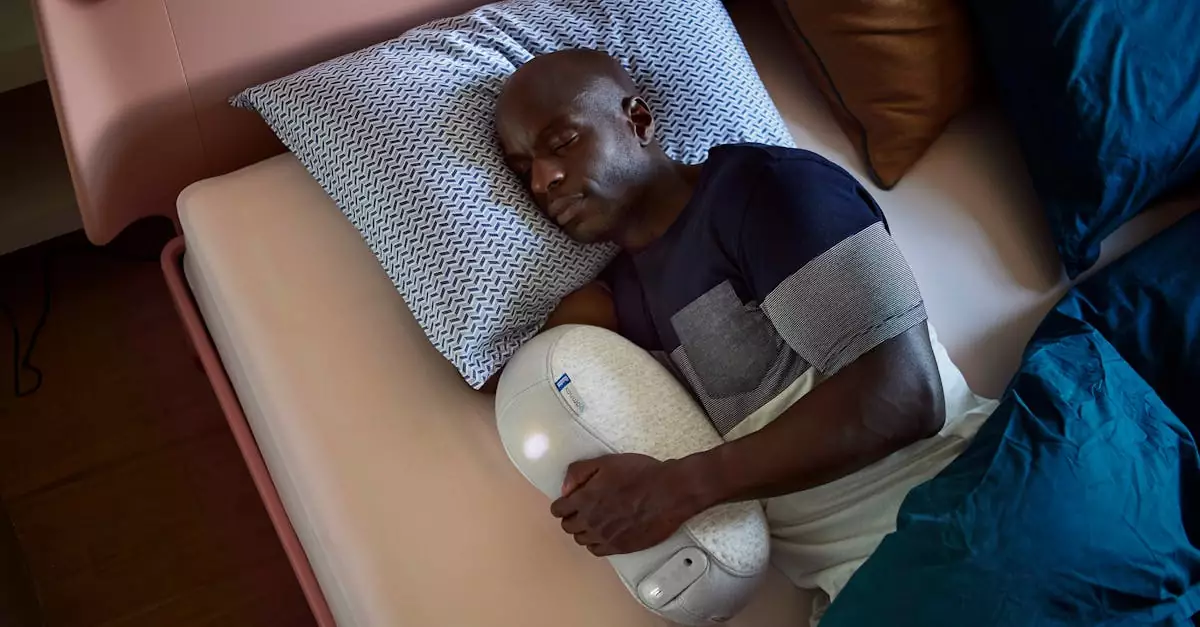
Knowing how sleep works is the first step toward building a routine that supports your mental well-being. Let’s explore what triggers poor sleep and how to avoid them.
Causes or Triggers
Several factors can disrupt your sleep and harm your mental health. Stressful thoughts, late-night screen use, and irregular schedules confuse your internal clock. Caffeine or heavy meals close to bedtime can keep your body alert when it should be winding down.
Environmental factors like noise, light, and uncomfortable bedding also play a role. Emotional triggers such as anxiety or unresolved worries can make it difficult to relax, leading to restless nights and fatigue.

Understanding these triggers helps you tailor your night routine for better sleep and improved mental health. Now, let’s dive into a step-by-step guide to build a calming and effective night routine.
Main Guide
- Set a consistent bedtime: Go to bed and wake up at the same time every day, even on weekends. This helps regulate your body’s internal clock.
- Create a wind-down period: Spend 30-60 minutes before bed doing calming activities like reading or gentle stretching. Avoid screens and bright lights.
- Limit caffeine and heavy meals: Avoid caffeine after mid-afternoon and keep dinner light to prevent discomfort and alertness at night.
- Dim the lights: Lowering light signals your brain to produce melatonin, the hormone that promotes sleep.
- Practice relaxation techniques: Try deep breathing, meditation, or progressive muscle relaxation to ease tension and quiet your mind.
- Keep your bedroom cool and quiet: A comfortable environment supports uninterrupted sleep.
- Limit screen time: Avoid phones, computers, and TV at least an hour before bed to reduce blue light exposure.
- Journaling: Write down your thoughts or worries before bed to clear your mind and reduce nighttime anxiety.
- Use your bed for sleep only: Avoid working or watching TV in bed to strengthen the mental connection between your bed and restful sleep.
- Incorporate calming scents: Aromatherapy with lavender or chamomile can promote relaxation.
Practical Tips
- Try setting an alarm to remind you when to start winding down each evening. This helps build consistency.
- Keep a journal on your nightstand to jot down any stressful thoughts before bed, just like Sarah, who found it helped ease her anxiety.
- Start with a simple habit like turning off screens 30 minutes earlier than usual and gradually increase this time.
Common Mistakes to Avoid
- Using electronic devices right before bed can disrupt melatonin production. Try switching to a book or calming music instead.
- Skipping a wind-down routine may keep your mind racing. Fix this by scheduling a relaxing activity like light stretching or meditation.
FAQs
How long should my night routine be?
A night routine can be as short as 30 minutes or up to an hour. The key is consistency and choosing activities that help you relax.
Can a night routine help with anxiety?
Yes, a calming night routine can reduce anxiety by signaling your brain to relax and preparing your body for restful sleep.
What if I can’t fall asleep even after a night routine?
If sleep difficulties persist, consider evaluating your routine for possible triggers or consult a healthcare professional for guidance.
Is it okay to use sleep aids as part of my night routine?
Natural sleep aids like herbal teas can be helpful, but it’s best to avoid over-the-counter medications without medical advice.
How soon will I see benefits from a night routine?
Many people notice improvements within a week, but it can take longer depending on individual habits and sleep issues.
Conclusion
Building a thoughtful night routine is a powerful step toward better mental health and restful sleep. By understanding your sleep patterns, avoiding common triggers, and incorporating calming habits, you can create a peaceful end to your day. Start small—try setting a regular bedtime or turning off screens earlier tonight—and watch how these night routine tips bring calm and clarity to your mind.