Struggling with restless nights and racing thoughts? You’re not alone. Sleep anxiety can quietly take a toll on your mental health, making it harder to find the rest your mind and body truly need. If you’ve been searching for effective sleep anxiety tips, this guide is here to help you understand what’s happening and how to reclaim peaceful nights with practical, proven strategies.
Table of Contents
Understanding Sleep
Sleep is a natural process where your body recharges and your brain processes the day’s experiences. It’s essential for emotional balance, memory, and overall health. But when anxiety creeps in at bedtime, it disrupts this cycle, making it hard to fall or stay asleep. Sleep anxiety isn’t just about being nervous; it’s a persistent worry that can create a loop of sleepless nights and daytime stress.
Think of sleep as a delicate balance. When anxiety tips the scale, it can affect your ability to relax and let go, preventing the deep rest your mind and body crave.
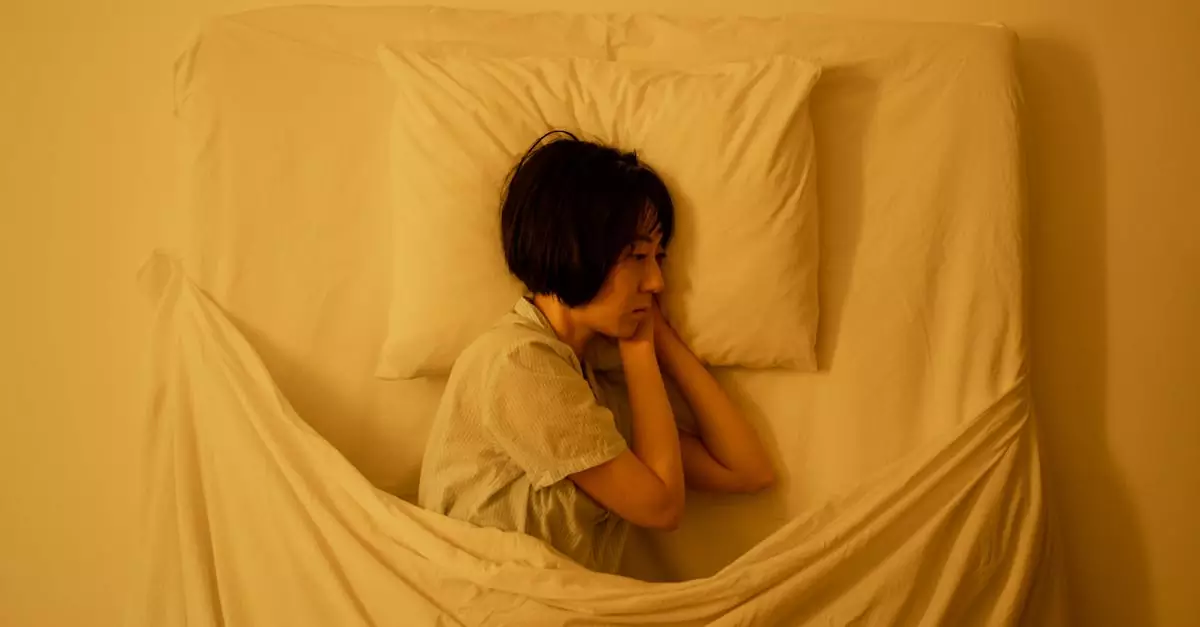
Recognizing how sleep works and what happens when anxiety interferes is the first step toward finding effective sleep solutions.
Causes or Triggers
Sleep anxiety often stems from a mix of emotional, physical, and environmental factors. Common triggers include:
- Stressful life events: Work pressure, relationship conflicts, or financial worries can keep your mind active at night.
- Health concerns: Chronic pain, illness, or medications may disrupt sleep patterns.
- Negative sleep experiences: Past nights of poor sleep can create fear around bedtime itself.
- Overuse of screens: Blue light exposure before bed can increase alertness and anxiety.
- Unhealthy sleep habits: Irregular schedules or stimulating activities before sleep can trigger anxiety.
Understanding what sparks your sleep anxiety helps in tailoring the right mental health tips and sleep anxiety help strategies that work specifically for you.
Now that we’ve explored the causes, let’s dive into actionable advice to ease your nighttime worries and improve your rest.
Main Guide
- Create a calming bedtime routine: Dedicate 30–60 minutes before bed to relaxing activities like reading, gentle stretching, or listening to soothing music. This signals your brain it’s time to wind down.
- Limit screen time: Avoid phones, tablets, and TVs at least an hour before sleep to reduce blue light exposure that can increase alertness and anxiety.
- Practice mindfulness and deep breathing: Techniques such as diaphragmatic breathing or guided meditation can calm your nervous system and reduce racing thoughts.
- Write down your worries: Journaling before bed helps transfer anxious thoughts from your mind onto paper, clearing mental space for sleep.
- Keep a consistent sleep schedule: Go to bed and wake up at the same time daily, even on weekends. This strengthens your body’s internal clock.
- Limit caffeine and alcohol: Both can disrupt sleep quality and increase anxiety, especially if consumed late in the day.
- Make your sleep environment comfortable: Keep your bedroom cool, dark, and quiet. Consider blackout curtains, earplugs, or white noise machines.
- Avoid clock-watching: Constantly checking the time can increase stress. Turn your clock away or cover it.
- Use progressive muscle relaxation: Tense and release muscle groups one at a time to ease physical tension.
- Seek professional support if needed: Cognitive-behavioral therapy for insomnia (CBT-I) and other therapies can be highly effective for sleep anxiety.
Practical Tips
- Try a “wind-down” playlist: Create a 30-minute mix of calming songs to listen to every night before bed.
- Real-life example: Sarah, who struggled with sleep anxiety, found that journaling three worries each night helped her stop the “what if” thinking loop.
- Simple habit: Set a nightly alarm as a reminder to start your bedtime routine at the same time daily.
Common Mistakes to Avoid
- Using your bed for work or screen time: This weakens the mental link between bed and sleep. Keep your bedroom for rest only.
- Trying to force sleep: Lying awake and stressing about sleep can worsen anxiety. Get up and do a quiet activity if you can’t fall asleep within 20 minutes.
FAQs
What is sleep anxiety and how does it affect mental health?
Sleep anxiety is worry or fear about falling asleep or staying asleep. It can cause restless nights and increase overall stress, impacting mental health by reducing emotional resilience and focus.
Can lifestyle changes really help with sleep anxiety?
Yes. Simple changes like improving sleep hygiene, reducing caffeine, and establishing a calming bedtime routine can significantly reduce sleep anxiety and improve rest.
When should I seek professional help for sleep anxiety?
If sleep anxiety persists for weeks despite self-help efforts, or it severely affects daily functioning, consulting a healthcare professional or therapist is recommended.
Are there natural remedies for sleep anxiety?
Natural approaches like mindfulness meditation, herbal teas (e.g., chamomile), and relaxation exercises can support better sleep, but results vary by individual.
How does sleep anxiety differ from insomnia?
Sleep anxiety is worry specifically about sleep, which can cause insomnia. Insomnia is the condition of having trouble falling or staying asleep, regardless of the cause.
Conclusion
Sleep anxiety can feel overwhelming, but with the right strategies, you can ease your mind and enjoy better rest. Start small by establishing a calming bedtime routine or trying one relaxation technique tonight. Remember, improving sleep is a journey, and each step toward peaceful nights supports your overall mental health and well-being.