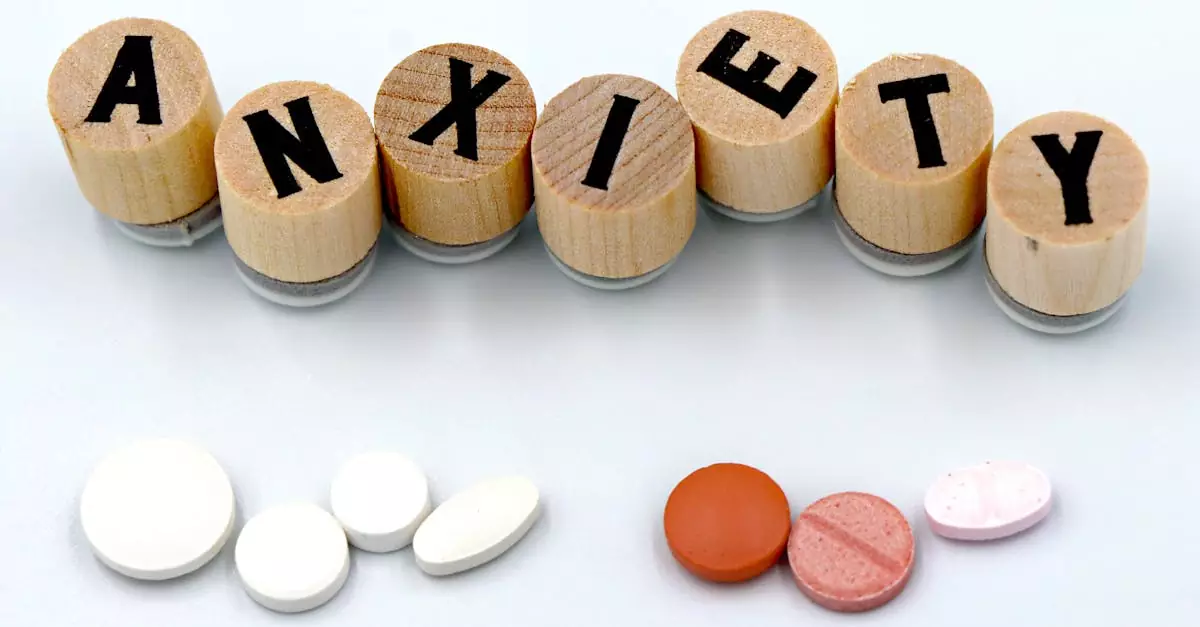
Feeling overwhelmed by depression can make even the simplest tasks feel impossible. Finding reliable treatment tips is essential for anyone seeking treatment help to improve their mental health. With so many options out there, it’s easy to feel lost or unsure about where to start. This guide offers clear, practical treatment tips designed to support your journey toward better mental health and offer effective depression solutions that truly work.
Table of Contents
- Understanding Depression
- Causes or Triggers
- Main Guide
- Practical Tips
- Common Mistakes
- FAQs
- Conclusion
Understanding Depression
Depression is more than just feeling sad or having a bad day. It’s a complex mental health condition that affects how you think, feel, and handle daily activities. People with depression often experience persistent sadness, loss of interest in things they once enjoyed, and low energy. These feelings can interfere with work, relationships, and overall quality of life.
It’s important to remember that depression is common and treatable. Understanding it can help reduce shame and encourage seeking the right treatment help. Everyone’s experience is different, so treatment should be personalized to fit individual needs.

Recognizing depression and learning about treatment options is the first step toward recovery. Let’s explore what causes depression and how it can be managed effectively.
Causes or Triggers
Depression can be triggered by a mix of factors that vary from person to person. Understanding these triggers can make it easier to find the right treatment solutions.
- Biological factors: Changes in brain chemistry or hormone levels may contribute to depression.
- Genetics: A family history of depression can increase risk.
- Life events: Stressful experiences like loss, trauma, or major life changes often trigger symptoms.
- Medical conditions: Chronic illnesses or certain medications can impact mood.
- Environmental factors: Isolation, lack of support, or ongoing stress can worsen depression.

Knowing these causes can help you and your healthcare provider tailor treatment approaches that address your unique situation.
Main Guide
- Seek Professional Help: Consulting a mental health professional is crucial. Therapists, counselors, and psychiatrists can offer diagnosis, therapy, and medication if needed.
- Consider Therapy Options: Cognitive-behavioral therapy (CBT) and interpersonal therapy (IPT) are proven treatments that help change negative thought patterns and improve relationships.
- Medication: Antidepressants can be helpful for moderate to severe depression. Always discuss benefits and side effects with your doctor.
- Practice Self-Care: Regular exercise, healthy eating, and sufficient sleep support brain health and mood regulation.
- Build a Support System: Connecting with trusted friends, family, or support groups reduces feelings of isolation.
- Mindfulness and Relaxation: Techniques like meditation, deep breathing, and yoga can reduce stress and improve emotional balance.
- Set Realistic Goals: Break tasks into small steps to avoid feeling overwhelmed and celebrate progress.
- Avoid Substance Abuse: Alcohol and drugs can worsen depression symptoms and interfere with treatment.
- Keep a Mood Journal: Tracking feelings and triggers helps identify patterns and improve communication with therapists.
- Explore Alternative Therapies: Some find relief in acupuncture, light therapy, or nutritional supplements, but consult your provider first.
- Stay Patient: Treatment can take time. Consistency and follow-up appointments are key to finding what works best.
Practical Tips
- Actionable tip: Start your day with a simple morning routine like stretching or journaling to set a positive tone.
- Real-life example: Sarah found that joining a weekly support group helped her feel understood and less alone during tough times.
- Simple habit users can follow: Try limiting screen time before bed to improve sleep quality and mood.
Common Mistakes to Avoid
- Ignoring symptoms: Waiting too long to seek treatment can make depression harder to manage. Early help matters.
- Stopping medication abruptly: Always consult your doctor before changing or stopping any prescribed treatment to avoid relapse.
FAQs
How long does it take to see results from depression treatment?
It varies, but many people begin to notice improvements within 4 to 6 weeks of starting therapy or medication. Patience and consistency are important.
Can lifestyle changes alone treat depression?
Lifestyle changes like exercise and sleep can help mild depression, but moderate to severe cases often require professional treatment for best results.
Is therapy more effective than medication?
Both therapy and medication can be effective. Often, a combination of the two provides the best outcome depending on individual needs.
What should I do if treatment doesn’t seem to work?
Talk to your healthcare provider about adjusting your plan. Sometimes trying different therapies or medications is necessary to find the right fit.
Are there any natural remedies for depression?
Some people benefit from natural approaches like exercise, mindfulness, or supplements, but these should complement, not replace, professional treatment.
Conclusion
Finding the right treatment tips for depression can feel challenging, but taking small, consistent steps can lead to significant improvements. Whether it’s seeking professional help, practicing self-care, or building a support network, each action counts. Start today by identifying one small change you can make to support your mental health journey.