
Feeling completely drained and overwhelmed? You’re not alone. Many people struggle with burnout, a state of emotional and physical exhaustion caused by prolonged stress. Finding effective burnout tips can feel like searching for a lifeline when your mental health is on the line. The good news is that with the right burnout help, you can regain balance and improve your mental well-being. This guide offers practical stress solutions and mental health tips designed to support you on your journey back to feeling like yourself again.
Table of Contents
Understanding Stress
Stress is your body’s natural response to any demand or challenge. It can be helpful in small doses, like motivating you to meet a deadline. But when stress becomes constant, it can lead to burnout—a state where you feel mentally and physically exhausted, detached, and less effective.
Burnout affects your mood, energy, and overall mental health. It’s important to recognize how stress builds up over time so you can take steps to manage it before it overwhelms you.
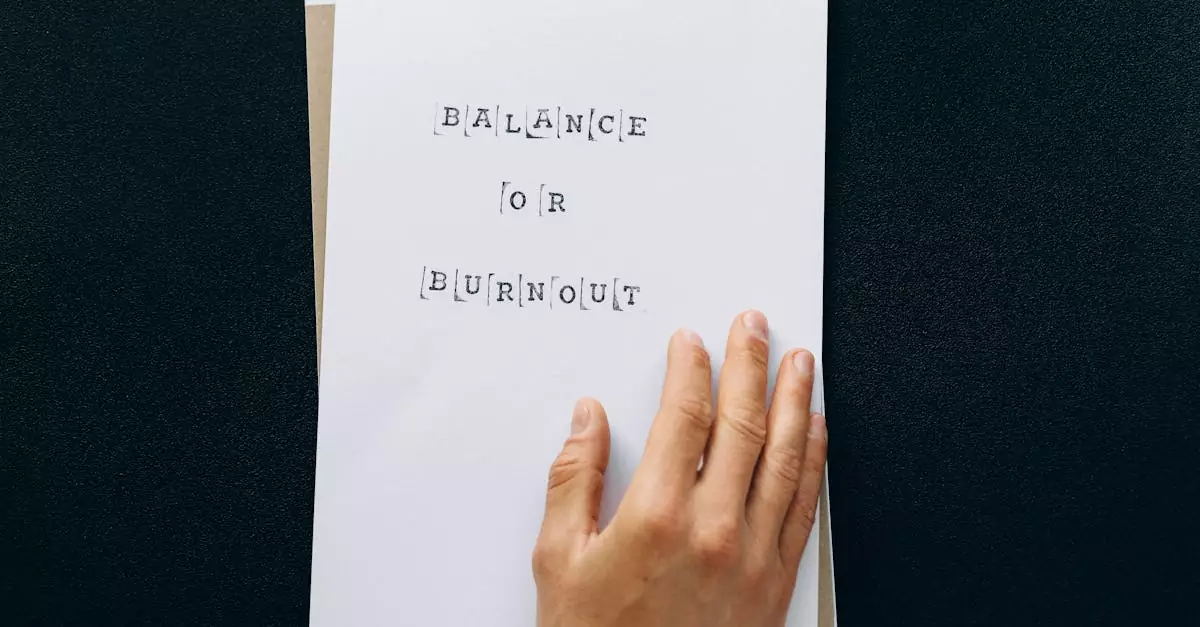
Understanding stress is the first step toward healing. Once you know what’s affecting you, you can start using effective burnout tips tailored to your needs.
Causes or Triggers
Burnout usually comes from ongoing stress that feels uncontrollable or overwhelming. Common causes include:
- Excessive workload with little rest
- Lack of control over your tasks or environment
- Poor work-life balance
- Unclear job expectations
- Feeling undervalued or unsupported
- Personal challenges such as family stress or health issues
These triggers don’t just affect work—they can impact your entire life, making it hard to relax or recharge.

Knowing what triggers your burnout helps you identify areas where you can make changes and seek burnout help effectively.
Main Guide
- Recognize the Signs: Notice if you feel exhausted, cynical, or less productive. These are common burnout symptoms.
- Set Boundaries: Learn to say no and protect your personal time to prevent overload.
- Prioritize Self-Care: Make time for activities that recharge you, like hobbies, exercise, or rest.
- Seek Support: Talk to friends, family, or professionals when you feel overwhelmed.
- Manage Time Wisely: Break tasks into smaller steps and take breaks to avoid burnout.
- Practice Mindfulness: Use meditation or deep breathing to calm your mind and reduce stress.
- Sleep Well: Aim for 7–9 hours of quality sleep each night to restore energy.
- Stay Hydrated and Eat Balanced Meals: Proper nutrition supports mental clarity and mood.
- Limit Screen Time: Reduce exposure to stressful news or social media that can increase anxiety.
- Use Stress Solutions: Consider apps or tools designed to track mood and encourage relaxation.
- Adjust Your Environment: Create a workspace or home area that feels comfortable and inspiring.
- Celebrate Small Wins: Acknowledge progress to boost motivation and positivity.
- Plan Regular Breaks: Short pauses during work improve focus and reduce fatigue.
- Engage in Physical Activity: Even a short walk can lift your mood and energy levels.
- Stay Connected: Maintain social connections to feel supported and understood.
Practical Tips
- Actionable Tip: Schedule a 5-minute breathing exercise twice daily to reset your stress response.
- Real-life Example: Sarah, a teacher, found that taking a 10-minute walk after lunch helped her return to work feeling refreshed and less overwhelmed.
- Simple Habit: Before bed, write down three things you’re grateful for to shift your mindset away from stress.
Common Mistakes to Avoid
- Ignoring Early Signs: Waiting too long to address burnout can make recovery harder. Start small changes early.
- Trying to Do It All Alone: Avoid isolating yourself; seeking burnout help from others is a strength, not a weakness.
FAQs
What are the first signs of burnout?
Early signs include feeling tired all the time, losing interest in work, and feeling emotionally drained or detached.
How can I get burnout help quickly?
Start by talking to someone you trust and practicing simple stress solutions like deep breathing or taking breaks.
Can lifestyle changes improve my mental health during burnout?
Yes, habits like regular exercise, healthy eating, and good sleep can significantly improve your mood and energy.
Are there tools that can help manage burnout?
Yes, apps for mindfulness, mood tracking, and time management can support your mental health journey.
When should I seek professional help for burnout?
If burnout symptoms persist or worsen despite self-care, consulting a mental health professional is recommended.
Conclusion
Burnout can feel overwhelming, but you don’t have to face it alone. Using these burnout tips and stress solutions can help you regain control and improve your mental health. Start by picking one small habit today—like taking a short walk or practicing mindful breathing—and build from there. Remember, taking care of yourself is not a luxury; it’s essential.