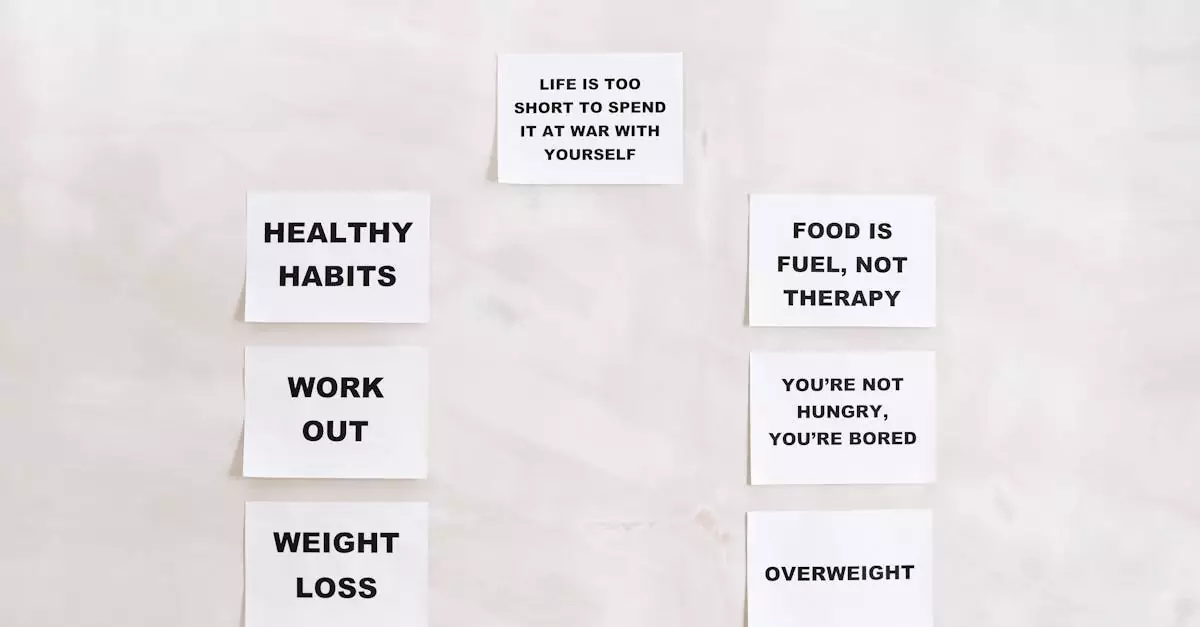
Feeling overwhelmed by negative thoughts or struggling to maintain a positive outlook? You’re not alone. Adopting the right mindset can be a powerful tool in improving your mental health and overall well-being. In this post, we’ll share essential mindset tips that offer mindset help and practical self improvement solutions to support better mental health. These strategies are designed to guide you toward a healthier, more resilient state of mind.
Self improvement is all about making small, meaningful changes to your thoughts and behaviors that improve your life. When it comes to mental health, this means developing a mindset that supports resilience, positivity, and calmness in the face of challenges. Instead of waiting for problems to fix themselves, self improvement encourages proactive steps to build a stronger mental foundation.
By shifting your mindset, you can better manage stress, reduce anxiety, and create habits that promote long-term well-being. It’s not about perfection but progress, and mindset tips help guide that journey.
Understanding how your mindset influences your mental health is the first step toward meaningful change. Let’s explore what often triggers negative thought patterns and how you can respond differently.
Once you identify these triggers, you can apply specific mindset tips and mental health tips to respond more effectively and nurture a healthier mental state.
Main Guide
Practice Gratitude Daily: Start or end your day by listing three things you’re grateful for. This shifts focus from problems to positives.
Challenge Negative Thoughts: When you notice self-critical or pessimistic thoughts, question their accuracy and replace them with balanced perspectives.
Set Realistic Goals: Break down big goals into small, achievable steps to avoid feeling overwhelmed and build confidence.
Adopt a Growth Mindset: See challenges as opportunities to learn rather than failures. This encourages persistence and resilience.
Practice Mindfulness: Spend a few minutes daily focusing on your breath or surroundings to reduce stress and increase present-moment awareness.
Limit Comparisons: Focus on your own progress instead of comparing yourself to others, which can lead to discouragement.
Use Positive Affirmations: Repeat encouraging statements about yourself to boost self-esteem and motivation.
Engage in Self-Care: Prioritize activities that nurture your body and mind, such as exercise, hobbies, or rest.
Seek Support: Talk to trusted friends, family, or professionals when feeling overwhelmed to gain perspective and encouragement.
Practice Forgiveness: Let go of grudges or past mistakes to free your mind from unnecessary stress.
Visualize Success: Imagine yourself overcoming obstacles and achieving your goals to build confidence and motivation.
Stay Flexible: Accept that setbacks happen and adapt your plans without harsh self-judgment.
Limit Negative Media: Reduce exposure to news or social media that increases anxiety or negativity.
Celebrate Small Wins: Acknowledge even minor progress to maintain motivation and positive momentum.
Develop a Routine: Create daily habits that support mental well-being, such as regular sleep and balanced meals.
Actionable Tip: Keep a gratitude journal and write in it every morning to start your day with a positive mindset.
Real-life Example: Sarah noticed she often felt anxious about work deadlines. By breaking projects into smaller tasks and celebrating each completion, she felt less overwhelmed and more in control.
Simple Habit: Spend five minutes each day practicing deep breathing or mindfulness to reset your mood during stressful moments.
Common Mistakes to Avoid
Ignoring Negative Thoughts: Pretending negative feelings don’t exist can make them grow. Instead, acknowledge and address them with kindness.
Expecting Instant Change: Mindset shifts take time. Be patient and consistent rather than expecting overnight transformation.
FAQs
What are the most effective mindset tips for mental health?
Effective mindset tips include practicing gratitude, challenging negative thoughts, adopting a growth mindset, and engaging in mindfulness to build resilience and positivity.
Seek support from friends, family, or mental health professionals, and try self improvement solutions like journaling or guided meditation to gain clarity and direction.
Can changing my mindset really improve my mental health?
Yes, shifting your mindset can reduce stress, improve emotional regulation, and foster a more positive outlook, all of which contribute to better mental health.
Are there quick mental health tips I can use daily?
Improving your mindset is a vital part of better mental health. By practicing gratitude, challenging negative thoughts, and setting realistic goals, you can build resilience and foster positivity. Start small—try writing down three things you’re grateful for today. These simple steps can lead to lasting self improvement solutions and a healthier mindset.