Feeling overwhelmed by stress or anxious thoughts can make everyday life harder than it needs to be. If you’ve been searching for meditation tips to help ease your mind, you’re not alone. Meditation offers a gentle yet powerful way to support better mental health by calming your thoughts and improving focus. In this guide, you’ll discover practical meditation help and mindfulness solutions designed to fit into your busy life, making mental wellness more accessible than ever.
Table of Contents
- Understanding Mindfulness
- Causes or Triggers
- Main Guide
- Practical Tips
- Common Mistakes
- FAQs
- Conclusion
Understanding Mindfulness
Mindfulness is simply paying attention to the present moment without judgment. It means noticing your thoughts, feelings, and surroundings with kindness and curiosity. Instead of worrying about the past or future, mindfulness helps you anchor yourself in what’s happening right now.
When combined with meditation, mindfulness becomes a tool to reduce stress, improve emotional balance, and enhance overall mental health. It’s not about emptying your mind but learning to observe your thoughts without getting caught up in them.
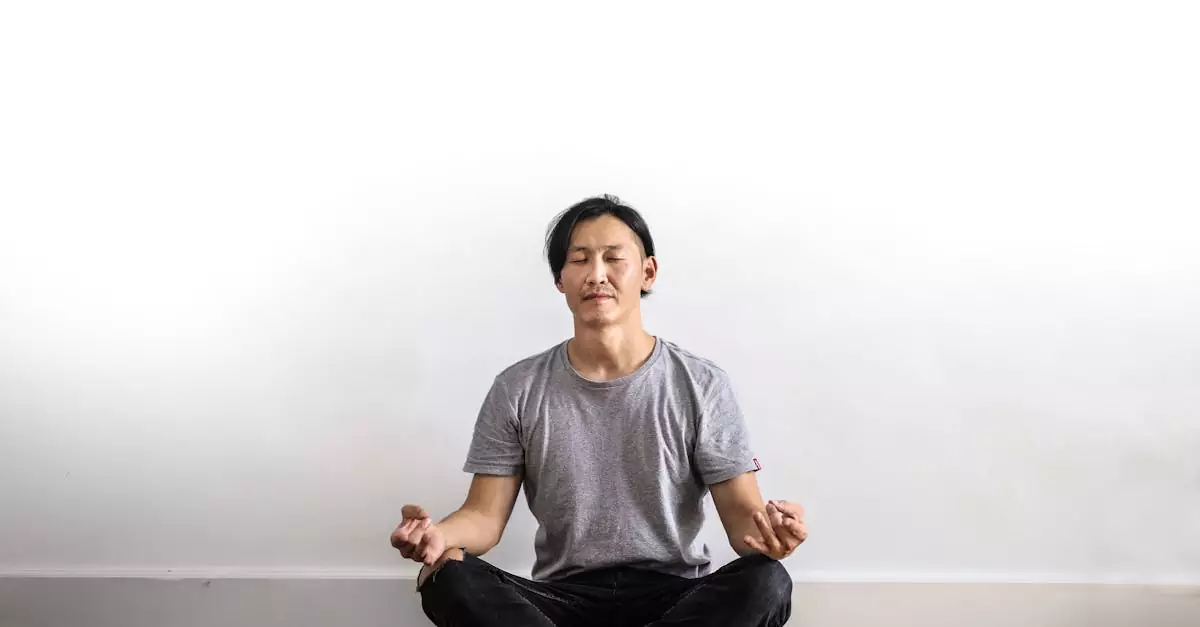
Understanding the basics of mindfulness sets a strong foundation for effective meditation. Once you grasp this, the practice becomes less about perfection and more about gentle awareness.
Causes or Triggers
Many people turn to meditation because of common triggers that disrupt mental well-being. These can include:
- Chronic stress from work or relationships
- Feeling overwhelmed by daily responsibilities
- Persistent anxiety or negative thinking patterns
- Difficulty sleeping or relaxing
- Emotional exhaustion or burnout
Recognizing these triggers is important because meditation can help manage reactions to them. It provides a calm space to regain control and clarity when life feels chaotic.
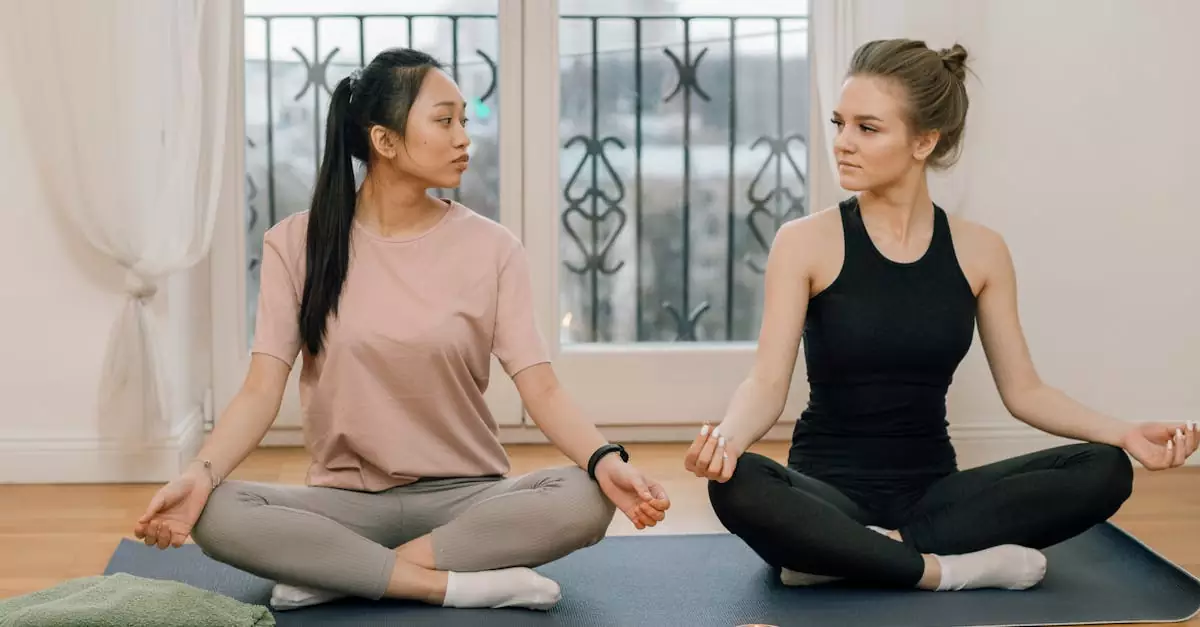
Knowing what sparks mental distress allows you to tailor meditation techniques that address your specific needs.
Main Guide
- Start Small and Build Consistency: Begin with just 5 minutes of meditation daily. Short, regular sessions are more effective than occasional long ones.
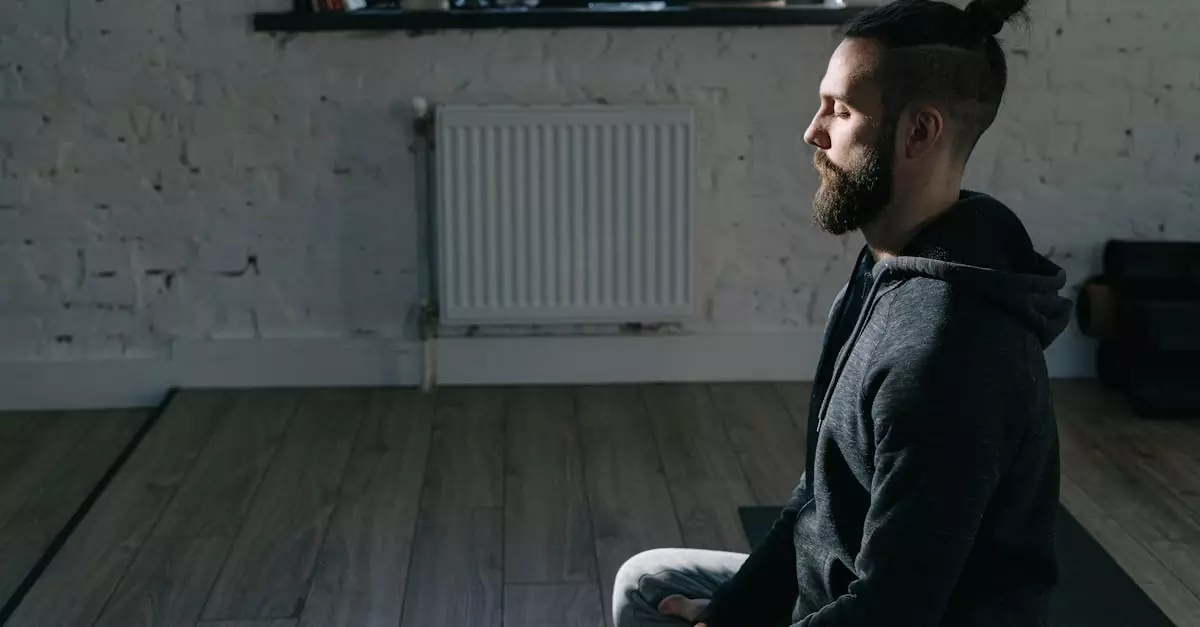
- Choose a Comfortable Space: Find a quiet spot where you won’t be disturbed. Comfort supports relaxation and focus.
- Use Guided Meditations: Apps or online videos can provide structure and encouragement, especially if you’re new to meditation.
- Focus on Your Breath: Pay attention to your breathing pattern. Slow, deep breaths help calm your nervous system.
- Notice Sensations Without Judgment: When thoughts or feelings arise, observe them gently without trying to push them away.
- Try Different Techniques: Explore mindfulness meditation, body scan, loving-kindness meditation, or mantra repetition to find what works best for you.
- Set Realistic Expectations: Meditation is a skill that improves over time. Be patient with yourself and avoid self-criticism.
- Incorporate Mindfulness into Daily Activities: Practice being fully present while eating, walking, or washing dishes to strengthen your mindfulness muscles.
- Track Your Progress: Journaling your meditation experiences can help you notice positive changes and stay motivated.
- Seek Support When Needed: Joining meditation groups or working with a coach can provide guidance and accountability.
Practical Tips
- Set a Daily Reminder: Use your phone or calendar to schedule a consistent meditation time. For example, meditate right after waking up to start your day calmly.
- Use Real-Life Anchors: If your mind wanders, gently bring your focus back to sensations like the feeling of your feet on the floor or the sound of your breath.
- Create a Simple Habit: Pair meditation with another daily routine, like brushing your teeth, to make it easier to stick with it.
Common Mistakes to Avoid
- Expecting Immediate Results: Many give up too soon. Meditation benefits grow with regular practice over weeks and months.
- Trying to Empty the Mind: It’s normal to have thoughts. The goal is to observe them without attachment, not to stop thinking entirely.
FAQs
How long should I meditate each day for mental health benefits?
Starting with 5 to 10 minutes daily is effective. As you feel comfortable, you can gradually increase the time to 20 or 30 minutes.
Can meditation help with anxiety and stress?
Yes, meditation helps calm the nervous system and reduces stress hormones, which can ease anxiety symptoms over time.
Do I need special equipment or a quiet place to meditate?
No special equipment is needed. A quiet space helps but even a few minutes in a comfortable chair or outdoors can work well.
What if my mind keeps wandering during meditation?
It’s normal for the mind to wander. Gently guiding your focus back to your breath or anchor point is part of the practice.
Are there different types of meditation I should try?
Yes, exploring mindfulness, guided meditation, loving-kindness, and body scans can help you find the best fit for your mental health needs.
Conclusion
Meditation offers simple yet powerful meditation tips that can improve your mental health by creating space for calm and clarity. Remember, starting small and practicing consistently is key. Try setting aside just five minutes today to focus on your breath and notice how it feels. Over time, these small moments can lead to big changes in your emotional well-being.