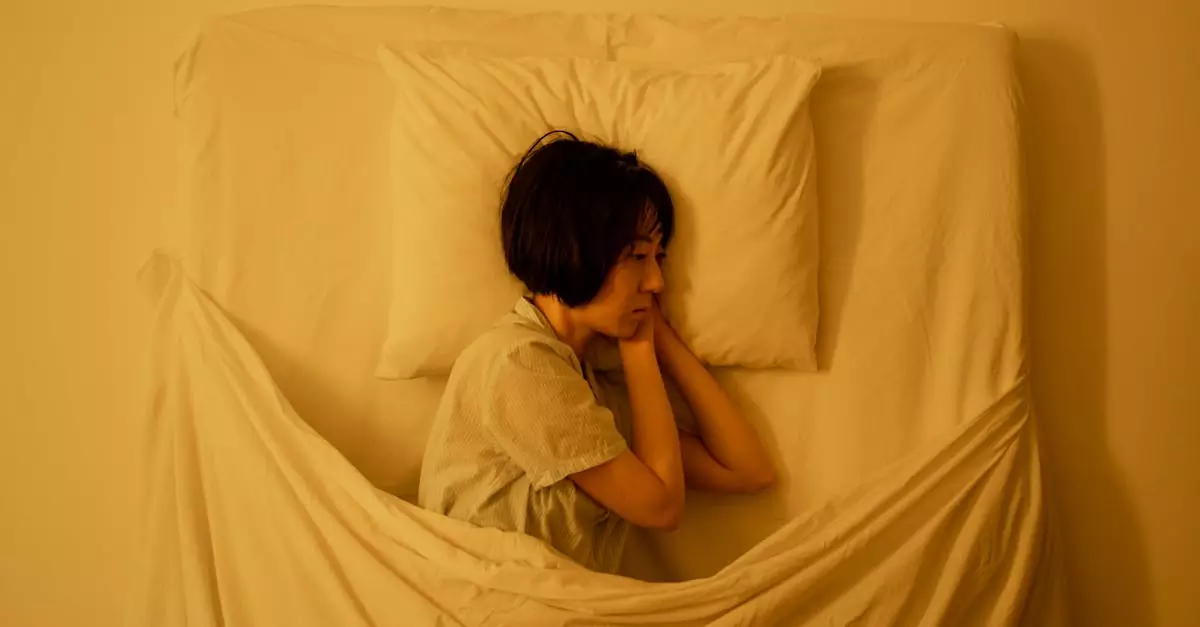
Struggling night after night, staring at the ceiling, your mind racing with worries—that’s the harsh reality of sleep anxiety. It’s more than just trouble falling asleep; it’s a cycle that can deeply affect your mental well-being. If you’re searching for effective sleep anxiety tips, you’re not alone. Many people face this challenge, and finding the right sleep solutions can be life-changing for your mental health. This guide offers practical advice to help you calm your mind and restore restful nights.
Table of Contents
Understanding Sleep
Sleep is a natural process where your body and mind recharge. During sleep, your brain processes emotions and memories, which is essential for mental health. When sleep is disrupted, especially by anxiety, it becomes harder to relax and rest. Sleep anxiety happens when worries about sleep itself create a cycle of stress, making falling asleep even more difficult. Recognizing how sleep works can help you break this cycle and find better rest.
Understanding the basics of sleep sets the foundation for managing sleep anxiety. Let’s explore the common causes that trigger this pattern.
Causes or Triggers
Several factors can trigger sleep anxiety, making it tough to get a good night’s rest. Common causes include:
- Stress and daily worries: Concerns about work, relationships, or health can flood your mind at bedtime.
- Negative sleep experiences: Past nights of poor sleep can create fear around bedtime.
- Overthinking about sleep: Obsessing over how much sleep you need or fear of insomnia.
- Physical discomfort: Pain, restless legs, or other conditions that interfere with comfort.
- Irregular sleep schedules: Inconsistent bedtimes confuse your body’s natural rhythm.
Recognizing these triggers helps you address the root causes rather than just the symptoms of sleep anxiety.
Main Guide
Addressing sleep anxiety requires a holistic approach that combines mental health tips and practical sleep solutions. Here’s a structured guide to help you regain control over your nights:
1. Create a Consistent Sleep Routine
Going to bed and waking up at the same time every day sets your body’s internal clock. This predictability reduces anxiety by signaling to your brain when it’s time to wind down.
2. Build a Relaxing Pre-Sleep Ritual
Engage in calming activities 30-60 minutes before bed, such as reading, gentle stretching, or meditation. Avoid screens and bright lights that can stimulate your brain.
3. Practice Mindfulness and Breathing Techniques
Mindfulness helps you stay present rather than worrying about sleep. Deep breathing exercises can lower your heart rate and ease tension.
4. Limit Stimulants and Heavy Meals Before Bed
Caffeine, nicotine, and large meals can disrupt sleep quality. Try to avoid these at least 3-4 hours before bedtime.
5. Manage Daytime Stress
Incorporate stress-reduction techniques during the day, such as exercise, journaling, or talking to a friend. Reducing overall stress lessens bedtime anxiety.
6. Optimize Your Sleep Environment
- Keep your bedroom cool, dark, and quiet.
- Invest in comfortable bedding.
- Remove distractions like TVs or phones.
7. Challenge Negative Sleep Thoughts
Replace “I won’t sleep at all” with more balanced thoughts like “Even rest is helpful.” Cognitive reframing reduces the pressure around sleep.
8. Use Sleep Solutions Wisely
Consider natural aids like herbal teas or white noise machines. If you’re exploring supplements or medications, consult a healthcare provider for guidance.
9. Seek Professional Help if Needed
If sleep anxiety persists despite self-help efforts, talking to a therapist or sleep specialist can provide tailored strategies and support.
Practical Tips
- Keep a sleep journal: Track your sleep patterns and anxiety triggers to identify what works and what doesn’t.
- Try progressive muscle relaxation: Tense and then release muscle groups to ease physical tension before bed.
- Use a worry box: Write down your worries earlier in the evening and set them aside to prevent rumination at night.
- Limit naps: Avoid long or late afternoon naps that can interfere with nighttime sleep.
- Practice gratitude journaling: Listing positive experiences can shift your mindset away from anxiety.
Common Mistakes to Avoid
- Checking the clock obsessively: This increases pressure and anxiety about sleep. Instead, turn the clock away or cover it.
- Using screens right before bed: The blue light disrupts melatonin production. Swap devices for a book or calming music.
- Forcing sleep: Trying too hard to sleep can backfire. If you can’t fall asleep within 20 minutes, get up and do a quiet activity.
- Ignoring daytime habits: Poor diet, lack of exercise, or excessive caffeine can worsen sleep anxiety. Address these for better results.
FAQs
What is sleep anxiety and how does it affect mental health?
Sleep anxiety is worry or fear about falling asleep or staying asleep. It can create a cycle of stress that disrupts sleep and worsens mental health by increasing fatigue and emotional strain.
Are there effective sleep anxiety tips to try at home?
Yes, practical steps like establishing a bedtime routine, practicing relaxation techniques, and managing stress can significantly reduce sleep anxiety symptoms.
When should I seek professional sleep anxiety help?
If your sleep anxiety persists for weeks and affects your daily life, consulting a healthcare provider or therapist can provide specialized support and treatment options.
Can lifestyle changes improve sleep anxiety?
Absolutely. Regular exercise, balanced diet, limiting caffeine, and consistent sleep schedules all contribute to reducing sleep anxiety and improving overall sleep quality.
What are some common sleep solutions for anxiety?
Common solutions include mindfulness meditation, white noise machines, herbal teas like chamomile, and creating a calming sleep environment tailored to your needs.
Conclusion
Sleep anxiety can feel overwhelming, but with the right strategies, you can regain peaceful nights and support your mental health. Start by establishing a calming bedtime routine and managing stress throughout your day. Small, consistent changes make a big difference. Try one new sleep anxiety tip tonight and notice how your mind begins to relax. Better sleep is within reach.