Feeling overwhelmed by daily stress can take a heavy toll on your mental health. Finding effective relaxation tips is essential to help calm your mind and restore balance. Whether you’re struggling with a busy schedule or persistent anxiety, simple mindfulness solutions can provide the relaxation help you need to improve your emotional well-being and feel more grounded each day.
Table of Contents
- Understanding Mindfulness
- Causes or Triggers
- Main Guide
- Practical Tips
- Common Mistakes to Avoid
- FAQs
- Conclusion
Understanding Mindfulness
Mindfulness means paying full attention to the present moment without judgment. It’s about noticing your thoughts, feelings, and physical sensations as they happen. This simple awareness helps you step back from stress and negative emotions.
By practicing mindfulness regularly, you can reduce anxiety and improve your overall mental health. It’s not about emptying your mind, but about accepting whatever comes up with kindness and curiosity.
Understanding mindfulness sets the foundation for effective relaxation. It encourages a calm state where your mind can rest and recharge.
Causes or Triggers
Stress and mental fatigue often arise from various triggers in daily life. Common causes include:
- Work pressure and deadlines
- Personal conflicts or relationship issues
- Financial worries
- Health concerns
- Constant digital distractions
These triggers can lead to a buildup of tension, making it harder to relax and focus on self-care. Recognizing what causes your stress is the first step toward finding the right relaxation help.
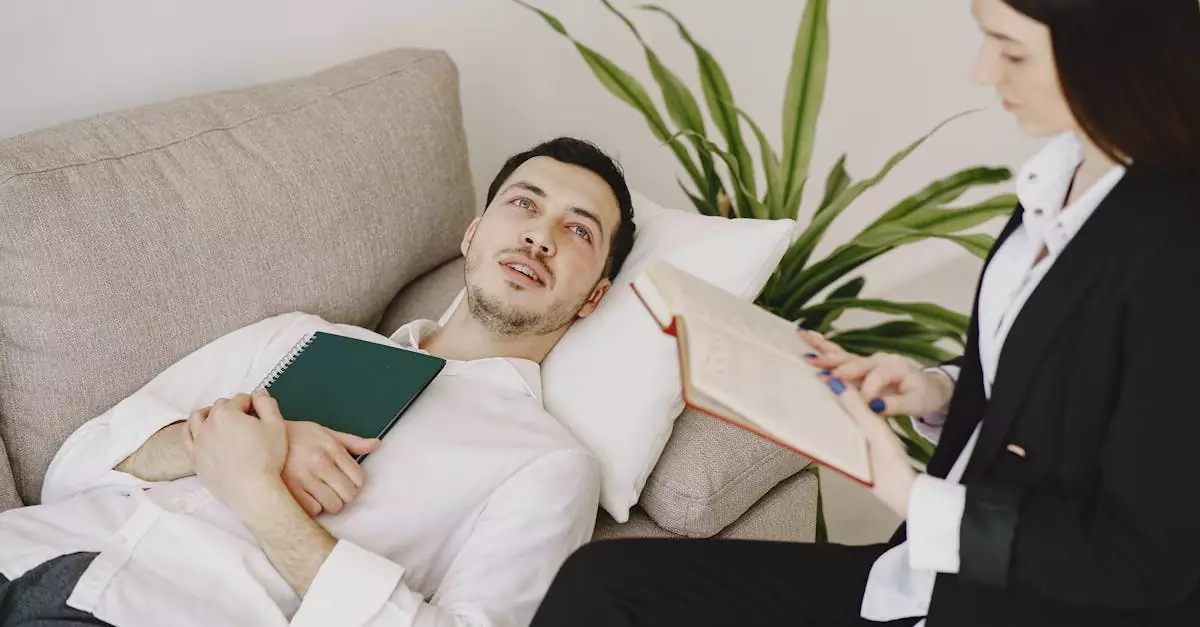
Once you identify your personal triggers, you can apply targeted mindfulness solutions to reduce their impact on your mental health.
Main Guide
- Deep Breathing Exercises: Focus on slow, deep breaths. Inhale for a count of four, hold for four, and exhale for six. Repeat for five minutes to calm your nervous system.
- Progressive Muscle Relaxation: Tense and then relax each muscle group from head to toe. This helps release physical tension linked to stress.
- Guided Meditation: Use apps or online videos for guided mindfulness meditation sessions. These can help you stay focused and relax your mind effectively.
- Nature Walks: Spend time outdoors, paying attention to sights, sounds, and smells. Nature has a natural calming effect on the brain.
- Journaling: Write down your thoughts and feelings. This practice helps process emotions and clear mental clutter.
- Limit Screen Time: Reduce exposure to social media and news, especially before bedtime, to lower stress levels.
- Mindful Eating: Eat slowly and savor each bite. This practice encourages presence and reduces stress-related overeating.
- Yoga or Stretching: Gentle movement combined with mindful breathing promotes relaxation and body awareness.
- Set Boundaries: Learn to say no to extra commitments that drain your energy, preserving time for self-care.
- Use Relaxation Tools: Consider aromatherapy, weighted blankets, or calming music to enhance your relaxation routine.
Practical Tips
- Actionable Tip: Schedule a daily 10-minute mindfulness break to practice deep breathing or meditation.
- Real-life Example: Sarah found that taking a short walk outside during lunch helped her return to work feeling refreshed and less anxious.
- Simple Habit: Before bed, write down three things you’re grateful for to shift your focus from stress to positivity.
Common Mistakes to Avoid
- Expecting Instant Results: Relaxation takes practice; don’t get discouraged if you don’t feel better immediately.
- Ignoring Physical Needs: Neglecting sleep or hydration can undermine your relaxation efforts. Prioritize basic self-care.
FAQs
What are the best relaxation tips for beginners?
Start with simple deep breathing exercises and short mindfulness sessions. Gradually add techniques like progressive muscle relaxation or guided meditation as you feel comfortable.
How can mindfulness solutions improve mental health?
Mindfulness helps reduce stress by encouraging present-moment awareness. This lowers anxiety and improves emotional regulation over time.
Can relaxation tips help with anxiety?
Yes, many relaxation techniques calm the nervous system and reduce symptoms of anxiety when practiced regularly.
Are there tools that can support relaxation practice?
Yes, tools like meditation apps, aromatherapy diffusers, and calming music playlists can enhance your relaxation routine.
How often should I practice relaxation techniques?
Consistency is key. Aim for daily practice, even if just for a few minutes, to see lasting mental health benefits.
Conclusion
Relaxation tips based on mindfulness offer practical ways to ease stress and support better mental health. Start with small, manageable steps like deep breathing or mindful walking. Over time, these habits can create a calmer, more balanced mind. Try adding one simple relaxation practice to your day today to begin your journey toward greater peace.