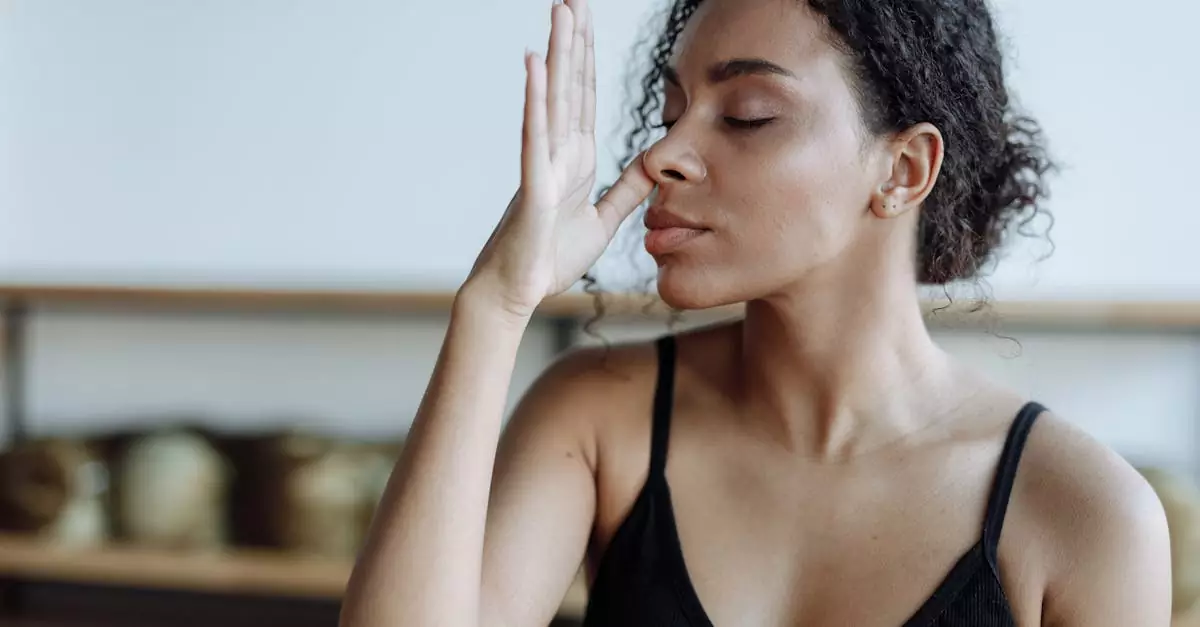
Feeling overwhelmed or anxious can make even the simplest tasks feel impossible. If you’re searching for effective breathing tips to calm your mind and improve your well-being, you’re not alone. Breathing is one of the simplest mindfulness solutions that offers powerful mental health help. By learning how to breathe mindfully, you can reduce stress, enhance focus, and nurture your emotional balance every day.
Table of Contents
- Understanding Mindfulness
- Causes or Triggers
- Main Guide
- Practical Tips
- Common Mistakes
- FAQs
- Conclusion
Understanding Mindfulness
Mindfulness means paying full attention to the present moment without judgment. It’s about noticing your thoughts, feelings, and body sensations as they happen. Breathing plays a key role in mindfulness because it’s always with us and connects our mind and body.
When you focus on your breath, you anchor yourself in the here and now. This simple act can ease racing thoughts and create mental space for calm and clarity. Mindfulness isn’t about emptying your mind but about observing what’s happening inside you with kindness and acceptance.

With this understanding, you’re ready to explore how certain triggers affect your breathing and mental state.
Causes or Triggers
Many factors can disrupt your natural breathing rhythm and lead to shallow or rapid breaths. Stressful situations, like work pressure, relationship conflicts, or health worries, often cause tension in the body. This tension tightens chest muscles and makes breathing feel harder.
Other triggers include:
- Negative thought patterns that increase anxiety
- Poor posture, especially when sitting for long hours
- Lack of physical activity, which can weaken respiratory muscles
- Sleep problems that disturb your body’s natural rhythm
Recognizing these triggers helps you become more aware of when breathing help is needed and how mindfulness solutions can support you.
Next, let’s dive into a detailed guide with breathing tips that you can apply anytime for better mental health.
Main Guide
- Practice Diaphragmatic Breathing: Also called belly breathing, this technique involves breathing deeply into your abdomen rather than shallow breaths into your chest. Place one hand on your belly and the other on your chest. Inhale slowly through your nose so your belly rises, then exhale fully through your mouth. Aim for 5–10 minutes daily.
- Try Box Breathing: This method balances your breath with equal counts. Inhale for 4 seconds, hold for 4 seconds, exhale for 4 seconds, and hold again for 4 seconds. Repeat 4–6 times. It’s especially helpful during moments of acute stress.
- Use 4-7-8 Breathing: Breathe in quietly through your nose for 4 seconds, hold that breath for 7 seconds, then exhale forcefully through your mouth for 8 seconds. This technique promotes relaxation and can aid sleep.
- Focus on Breath Awareness: Simply observe your natural breath without trying to change it. Notice the sensation of air entering and leaving your nostrils or the rise and fall of your chest. This builds mindfulness and reduces mental chatter.
- Incorporate Breath Counting: Count each breath cycle silently from 1 to 10 and then start over. This practice improves concentration and calms the mind.
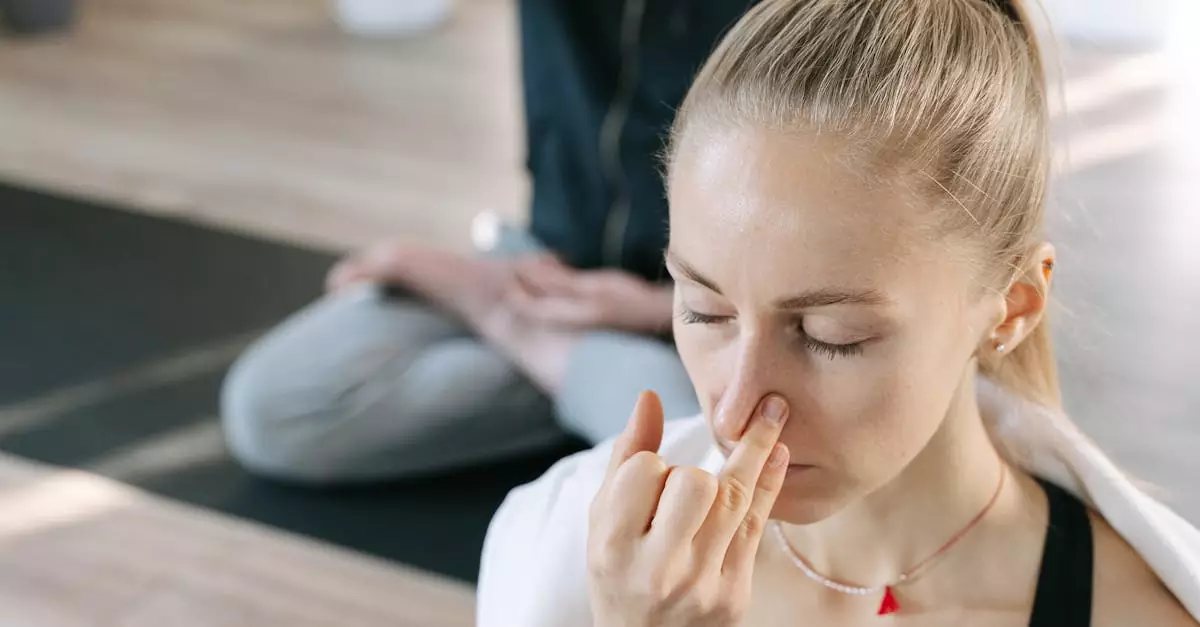
- Practice Alternate Nostril Breathing: Using your thumb and ring finger, close off one nostril at a time while inhaling and exhaling through the other. This technique balances the nervous system and promotes mental clarity.
- Set a Breath Reminder: Throughout your day, pause to take three slow, deep breaths. This small habit interrupts stress and reconnects you to the present moment.
- Use Guided Breath Meditations: Apps or online videos can provide gentle instructions to support your breathing practice and deepen mindfulness.
- Combine Breath with Movement: Gentle yoga or stretching paired with mindful breathing enhances body awareness and relaxation.
- Keep a Breathing Journal: Note how different breathing techniques affect your mood and stress levels. This builds motivation and insight.
Practical Tips
- Start Small: Begin with just 2–3 minutes of breathing exercises daily and gradually increase the time as you feel comfortable.
- Use Real-Life Triggers: When you feel stressed at work or before a challenging event, pause and use box breathing to calm nerves.
- Create a Habit: Link your breathing practice to a daily routine like brushing your teeth or morning coffee to make it easier to remember.
Common Mistakes to Avoid
- Breathing Too Quickly: Rapid breaths can increase anxiety. Focus on slow, steady breathing to promote calm.
- Forcing the Breath: Trying to control breathing too much can cause tension. Allow your breath to flow naturally within the chosen technique.
- Ignoring Posture: Slouching restricts lung capacity. Sit or stand with an upright posture to maximize breathing benefits.
- Expecting Immediate Results: Mindful breathing is a skill that develops over time. Be patient and consistent.
FAQs
How often should I practice breathing exercises for mental health?
Practicing breathing exercises daily, even for just a few minutes, can provide noticeable benefits. Aim for at least 5–10 minutes each day to build a calming routine.
Can breathing techniques help with anxiety attacks?
Yes, focused breathing methods like box breathing or diaphragmatic breathing can help reduce the intensity of anxiety attacks by calming the nervous system.
Are there tools or apps that can guide my breathing practice?
Many apps offer guided breath meditations and reminders, such as Calm, Headspace, or Breathe+. These tools can support consistency and deepen mindfulness solutions.
What if I feel dizzy during breathing exercises?
If you experience dizziness, slow down your breathing pace and breathe normally until it passes. It’s important not to force breaths or hold your breath beyond comfort.
Can mindful breathing improve sleep quality?
Yes, techniques like 4-7-8 breathing promote relaxation and can help you fall asleep faster and enjoy deeper rest.
Conclusion
Breathing is a simple yet powerful tool to support your mental health. By practicing mindful breathing regularly, you can reduce stress, improve focus, and enhance emotional resilience. Start with small steps like a few minutes of diaphragmatic breathing each day and explore different techniques to find what works best for you. Remember, consistency is key to experiencing lasting benefits. Take a deep breath now and give yourself the gift of calm.


