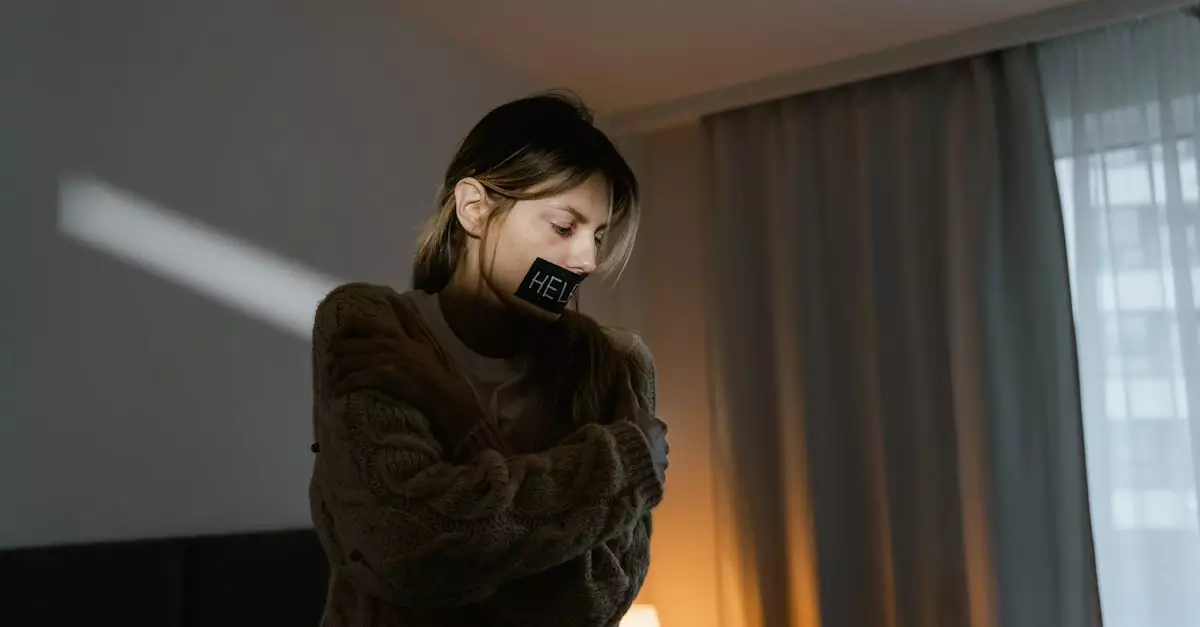
Struggling with racing thoughts and pounding heart just as you try to fall asleep can feel overwhelming. Night anxiety can rob you of peaceful rest, making it hard to recharge and face the next day. If you’re searching for night anxiety tips to calm your mind and improve your mental health, you’re not alone. Understanding what triggers this nighttime unrest and learning simple strategies can bring relief and help you reclaim restful nights.
Table of Contents
Understanding Anxiety
Anxiety is a natural response to stress or danger, but when it strikes at night, it can feel especially tough. Night anxiety is the feeling of worry, fear, or nervousness that becomes more intense as you’re trying to fall asleep or during the night. This can lead to trouble sleeping, restless nights, and increased stress the next day.
It’s important to know that night anxiety is common and doesn’t mean something is wrong with you. Often, our minds become more active in the quiet darkness, focusing on worries or fears that were easier to ignore during the day.
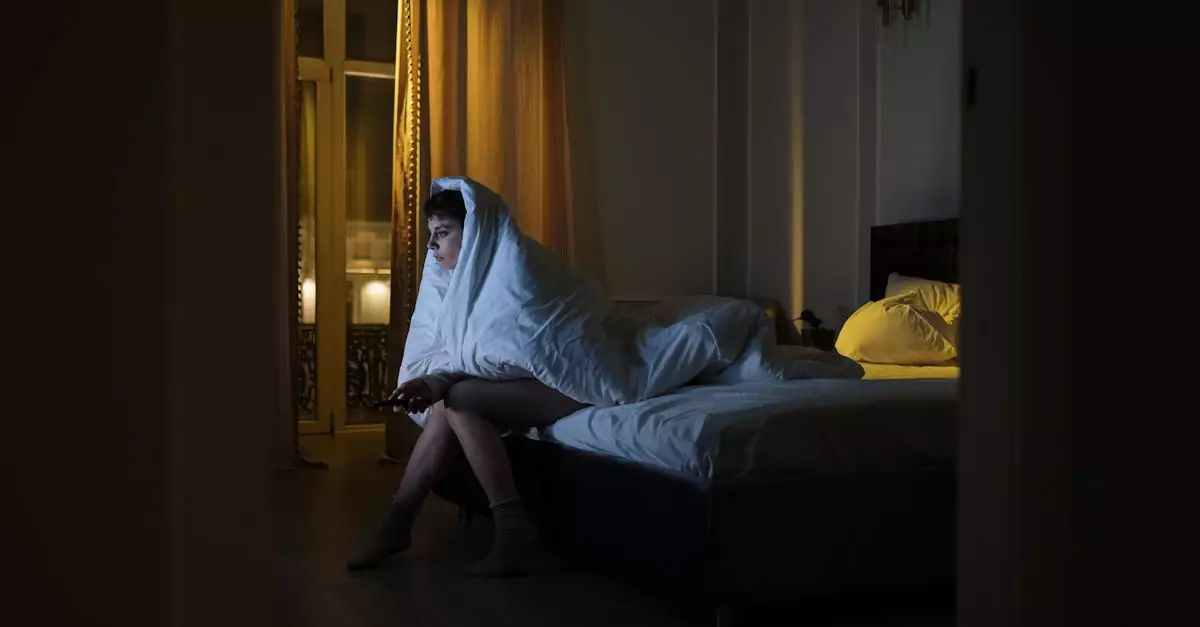
Recognizing how anxiety works at night is the first step toward finding effective night anxiety help and improving your mental health.
Causes or Triggers
Many factors can trigger night anxiety. Common causes include:
- Stress from daily life: Work pressure, family concerns, or financial worries can linger into the night.
- Overthinking: The quiet of night can amplify racing thoughts and “what if” scenarios.
- Sleep environment: Noise, light, or an uncomfortable bed can increase restlessness.
- Health conditions: Chronic pain, medication side effects, or mental health disorders may worsen anxiety at night.
- Caffeine or sugar intake: Consuming these too close to bedtime can keep your mind alert.

Understanding what triggers your night anxiety can help you take targeted steps to reduce its impact.
Main Guide
- Create a calming bedtime routine: Set a consistent schedule for going to bed and waking up. Include relaxing activities like reading, gentle stretching, or listening to soothing music.
- Limit screen time before bed: Avoid phones, tablets, and computers at least an hour before sleep. The blue light can interfere with your body’s natural sleep signals.
- Practice deep breathing exercises: Slow, deep breaths can help calm your nervous system. Try inhaling for 4 seconds, holding for 7 seconds, then exhaling for 8 seconds.
- Write down your worries: Keep a journal by your bed and jot down any anxious thoughts. This helps clear your mind and prevents rumination.
- Optimize your sleep environment: Make your bedroom dark, quiet, and cool. Use blackout curtains, earplugs, or white noise machines if needed.
- Limit caffeine and heavy meals at night: Avoid stimulants and large dinners close to bedtime to prevent restlessness.
- Try mindfulness meditation: Focus on the present moment to reduce stress and anxiety. Apps or guided videos can be helpful for beginners.
- Move your body during the day: Regular exercise can reduce anxiety and improve sleep quality. Avoid intense workouts close to bedtime.
- Seek professional support when needed: If anxiety persists or worsens, talking to a mental health professional can provide personalized anxiety solutions.
Practical Tips
- Set a “worry time” earlier in the evening: Spend 15 minutes to process concerns, then remind yourself to let them go before bed.
- Use a weighted blanket: The gentle pressure can soothe the nervous system and ease anxiety.
- Incorporate lavender scent: Aromatherapy with lavender essential oil has calming effects and may improve sleep.
Common Mistakes to Avoid
- Trying to force sleep: Lying awake and stressing about not sleeping can make anxiety worse. Instead, get up and do a quiet activity until you feel sleepy.
- Ignoring daytime habits: Poor diet, lack of exercise, and irregular sleep schedules can worsen night anxiety. Focus on healthy daily routines for better mental health.
FAQs
What are some quick night anxiety help techniques?
Deep breathing, grounding exercises, and journaling can quickly reduce anxious feelings at night.
Can lifestyle changes reduce night anxiety?
Yes, regular exercise, healthy eating, and consistent sleep schedules support better mental health and reduce anxiety.
Is night anxiety different from general anxiety?
Night anxiety specifically occurs or worsens during nighttime, often triggered by quiet and lack of distractions.
When should I seek professional help for night anxiety?
If anxiety disrupts your sleep regularly or affects daily life, consulting a mental health professional is recommended.
Do relaxation techniques really work for anxiety?
Yes, practices like meditation and deep breathing activate the body’s relaxation response, helping reduce anxiety symptoms.
Conclusion
Night anxiety can feel isolating, but with the right strategies, you can ease your mind and improve your mental health. Start by understanding your triggers and creating a calming bedtime routine. Try one small change tonight—like deep breathing or journaling—to begin your journey toward peaceful sleep. Remember, simple habits build lasting relief.