Feeling overwhelmed and stressed out is something many of us face daily. Finding effective relaxation tips can feel like a lifeline when mental health feels fragile. Relaxation isn’t just about taking a break; it’s a powerful way to calm your mind, reduce anxiety, and improve your overall well-being. In this guide, we’ll explore practical relaxation help and mindfulness solutions tailored to support better mental health.
Table of Contents
- Understanding Mindfulness
- Causes or Triggers
- Main Guide
- Practical Tips
- Common Mistakes
- FAQs
- Conclusion
Understanding Mindfulness
Mindfulness is simply paying attention to the present moment without judgment. It means noticing your thoughts, feelings, and surroundings as they are, rather than letting your mind race into worries about the past or future. This practice helps you become more aware of your stress triggers and opens the door to relaxation and calmness.
By focusing on the here and now, mindfulness allows you to step back from overwhelming emotions and respond to challenges with a clearer mind. It’s a skill anyone can learn and use daily to improve mental health and reduce stress.
With a better understanding of mindfulness, you’re ready to explore what often causes stress and anxiety, and how relaxation techniques can help.
Causes or Triggers
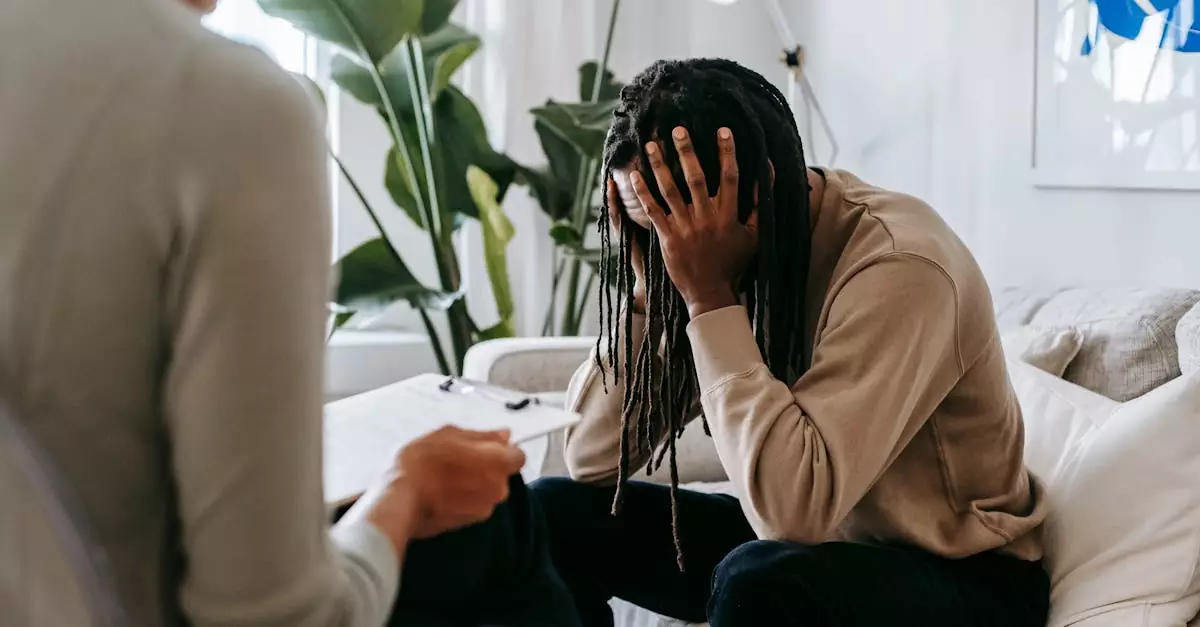
Stress and mental health challenges can be triggered by many factors. Common causes include work pressure, relationship issues, financial worries, and health concerns. Sometimes, even small daily hassles like traffic jams or a busy schedule can build up and affect your calmness.
Recognizing these triggers is the first step toward managing them. When you know what sets off your stress, you can use relaxation tips and mindfulness solutions to respond more effectively, rather than reacting impulsively.
Let’s now dive into a detailed guide on how to practice relaxation for better mental health.
Main Guide
Relaxation is more than just resting; it involves calming your body and mind through intentional activities. Here’s a breakdown of effective relaxation methods that bring lasting benefits.
- Deep Breathing Exercises: Slow, deep breaths help lower heart rate and reduce tension. Try inhaling for 4 seconds, holding for 7 seconds, and exhaling for 8 seconds.
- Progressive Muscle Relaxation: This technique involves tensing and then relaxing different muscle groups. It helps you become more aware of physical tension and release it.
- Guided Imagery: Visualize peaceful and calming scenes, like a quiet beach or forest. This mental escape can ease stress and improve mood.
- Mindful Meditation: Sit quietly and focus on your breath or a simple mantra. When your mind wanders, gently bring it back to the present moment.
- Yoga and Stretching: Gentle movement combined with mindful breathing can relax both body and mind. Even a few minutes daily can make a difference.
- Journaling: Writing down your thoughts and feelings can help process emotions and reduce mental clutter.
- Nature Walks: Spending time outdoors and observing nature supports relaxation and mental clarity.
- Limiting Screen Time: Reducing exposure to screens, especially before bed, helps your nervous system calm down.
- Establishing a Relaxation Routine: Consistency is key. Schedule daily relaxation time, even if it’s just 5–10 minutes.
Each of these relaxation tips can be adapted based on your lifestyle and preferences. Combining several approaches often yields the best results.
Practical Tips
- Start Small: Begin with just 5 minutes of deep breathing each day. For example, take a break during work to focus solely on your breath.
- Use Apps for Mindfulness Solutions: Apps like Calm or Headspace provide guided meditation and relaxation exercises, making it easier to build a habit.
- Create a Relaxing Space: Dedicate a quiet corner at home with soft lighting and comfortable seating for your relaxation practice.
Common Mistakes to Avoid
- Skipping Practice When Busy: Stressful times are when relaxation helps most. Even short sessions count.
- Expecting Instant Results: Relaxation is a skill that improves over time. Patience and consistency lead to better mental health.
FAQs
How long should I practice relaxation techniques daily?
Starting with 5 to 10 minutes daily is effective. You can gradually increase the time as you feel more comfortable.
Can relaxation tips replace professional mental health treatment?
Relaxation techniques support mental health but are not a substitute for professional care when needed. They work best alongside other treatments.
Are mindfulness solutions suitable for beginners?
Yes, mindfulness is accessible to everyone. Many apps and resources are designed specifically for beginners.
What if I can’t quiet my mind during meditation?
It’s normal for the mind to wander. Gently bringing your attention back without judgment is part of the practice.
Can relaxation help with anxiety and depression?
Relaxation can reduce symptoms of anxiety and improve mood, but it’s important to seek professional help if symptoms are severe.
Conclusion
Relaxation tips are valuable tools to support better mental health and reduce daily stress. By understanding mindfulness and practicing simple techniques consistently, you can create a calmer, more balanced life. Start today with just a few minutes of deep breathing or a short mindfulness session and notice the positive impact over time.