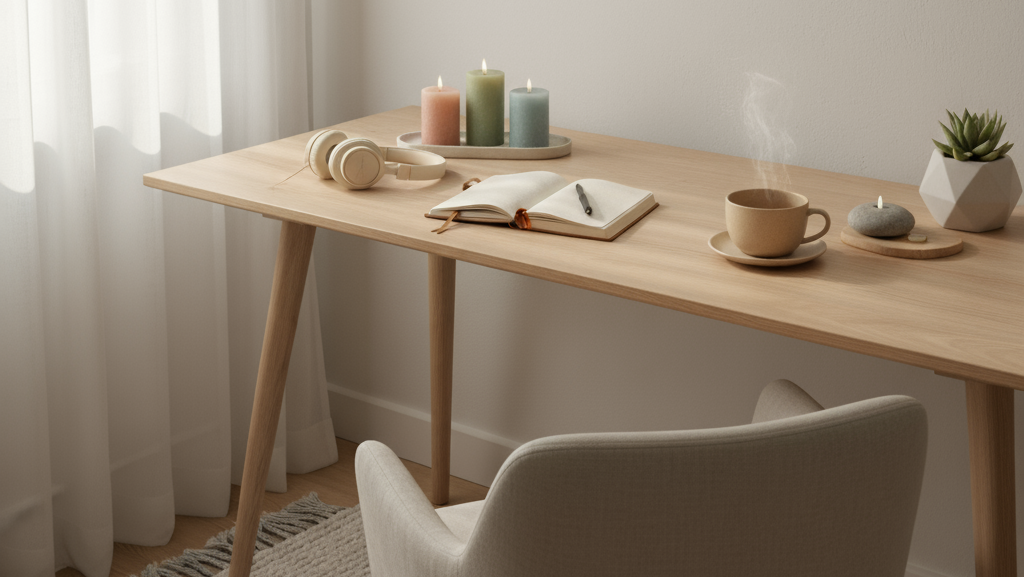
Many people struggle with restless nights and racing thoughts that keep them awake. If you find yourself lying awake, worried and tense, you’re not alone. Sleep anxiety can deeply affect your well-being, but there are effective sleep anxiety tips that can help you regain calm and improve your mental health. Understanding these techniques can make a real difference in how you rest and feel each day.
Table of Contents
Understanding Sleep
Sleep is a natural process where your body and mind recharge. It happens in cycles, with light and deep stages that help your brain process emotions and memories. Good sleep supports your mental health by keeping your mood balanced and your stress levels low.
When sleep is disrupted by anxiety, it can feel like your mind won’t stop racing. This makes falling asleep or staying asleep difficult. Sleep anxiety is different from just feeling tired; it’s a cycle where worries about sleep itself cause more sleep problems.
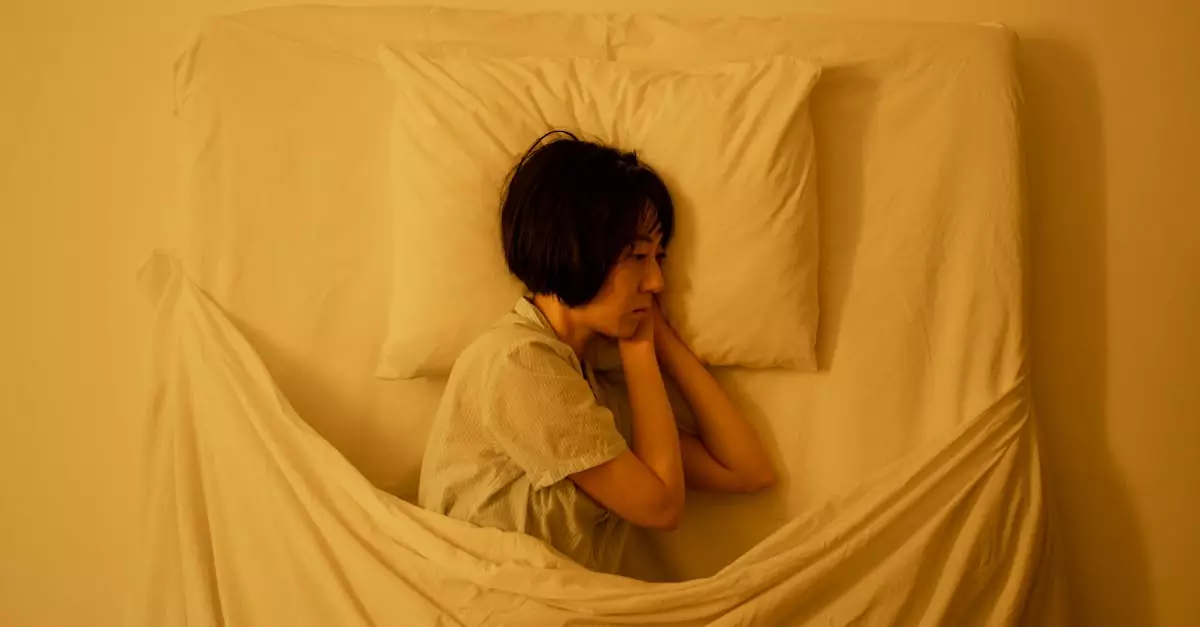
Recognizing how sleep works and what happens when anxiety interferes is the first step toward finding effective sleep solutions.
Causes or Triggers
Sleep anxiety often arises from stress, unresolved worries, or fear of not sleeping well. Common triggers include:
- Upcoming deadlines or important events
- Negative thoughts about sleep or insomnia
- Irregular sleep schedules
- Use of electronics before bedtime
- Excessive caffeine or alcohol intake
- Underlying mental health challenges like anxiety or depression
Understanding these triggers helps you identify patterns and take control over your sleep environment and habits.

Knowing what sparks your sleep anxiety can guide you toward targeted mental health tips and sleep solutions that work for you.
Main Guide
- Create a Relaxing Bedtime Routine: Spend 30 minutes winding down before bed. This might include reading, gentle stretching, or listening to calming music.
- Limit Screen Time: Avoid phones, tablets, and TVs an hour before sleep to reduce blue light exposure that can disrupt your natural sleep rhythm.
- Practice Mindful Breathing: Try deep breathing exercises to lower stress and quiet your mind. For example, breathe in slowly for 4 seconds, hold for 7, and exhale for 8.
- Keep a Consistent Sleep Schedule: Go to bed and wake up at the same time every day, even on weekends, to regulate your body’s internal clock.
- Write Down Worries: If anxious thoughts keep you awake, jot them down in a journal before bed. This practice can help clear your mind.
- Create a Comfortable Sleep Environment: Make your bedroom cool, dark, and quiet. Use blackout curtains and limit noise disruptions.
- Avoid Stimulants Late in the Day: Cut back on caffeine and nicotine in the afternoon and evening to prevent them from interfering with sleep.
- Try Progressive Muscle Relaxation: Tense and then relax each muscle group, starting from your toes and moving up to your head. This can ease physical tension.
- Limit Naps: Keep daytime naps short (20-30 minutes) and avoid late afternoon naps that can make nighttime sleep harder.
- Seek Support When Needed: If sleep anxiety persists, talking to a counselor or therapist can provide additional help and coping strategies.
Practical Tips
- Use Aromatherapy: Lavender or chamomile scents can promote relaxation and ease anxiety before bedtime.
- Try a Warm Bath: A warm bath 1-2 hours before bed can lower your body temperature afterward, signaling it’s time to sleep.
- Set a “Worry Time” Earlier in the Day: Dedicate 15 minutes in the afternoon to reflect on concerns, so they don’t overwhelm you at night.
Common Mistakes to Avoid
- Checking the Clock Too Often: Constantly looking at the time can increase anxiety. Turn your clock away from view.
- Trying Too Hard to Sleep: Forcing sleep can backfire. Instead, focus on relaxing and letting sleep come naturally.
FAQs
What is sleep anxiety?
Sleep anxiety is the worry or fear about falling asleep or staying asleep, which can make it harder to get restful sleep.
How can I reduce anxiety before bed?
Engaging in calming activities like deep breathing, journaling, or a warm bath can help reduce anxiety before bedtime.
Are there lifestyle changes that improve sleep?
Yes, maintaining a consistent sleep schedule, limiting caffeine, and creating a relaxing environment are effective lifestyle changes.
When should I seek professional help for sleep anxiety?
If sleep anxiety significantly disrupts your daily life or persists despite trying self-help methods, it’s a good idea to consult a healthcare professional.
Can exercise help with sleep anxiety?
Regular physical activity can reduce anxiety and improve sleep quality, but avoid vigorous exercise close to bedtime.
Conclusion
Sleep anxiety can feel overwhelming, but small changes in your routine and mindset can greatly improve your rest and mental health. Start with one simple step today—like setting a consistent bedtime or trying mindful breathing—and build from there. With patience and care, better sleep is within reach.