Discover evidence-based tools and habits to cultivate daily calm, focus, and emotional balance through mindfulness, journaling, and gentle routines. Start your wellness journey today.
We all crave pockets of peace during busy days. In our hyperconnected world where notifications ping constantly and demands never cease, finding moments of genuine calm feels like searching for water in a desert. Yet the solution isn’t as complicated as we might think. Small tools—thoughtful apps, simple journals, short breathing practices—help create those moments without overhauling your entire life.
This comprehensive guide will walk you through accessible, evidence-based tools for mindfulness, journaling, and emotional well-being so you can gently build focus and calm into your routine. Whether you’re a busy professional, a parent juggling multiple responsibilities, or someone simply seeking more peace in daily life, you’ll find practical, low-pressure ways to grow awareness and self-growth habits that fit into real days.
Table of Contents
Why Small Tools Matter for Mental Wellness
Big life changes often begin with tiny, consistent actions. Research in behavioral psychology shows that sustainable change happens through what James Clear calls “atomic habits”—small actions that compound over time. Tools that support mindfulness and emotional well-being remind you to pause, notice, and respond rather than react.
When we use simple tools regularly, they become cues for calm. That steady rhythm improves focus, reduces mental clutter, and supports lasting personal development. Studies published in the Journal of Positive Psychology demonstrate that even five minutes of daily mindfulness practice can significantly reduce stress hormones and improve emotional regulation.
The Science Behind Micro-Practices
Neuroscience reveals that our brains are remarkably plastic, constantly forming new neural pathways based on repeated behaviors. Each time you engage in a brief mindfulness practice or journaling session, you’re literally rewiring your brain for greater calm and focus. The amygdala, our brain’s alarm system, becomes less reactive, while the prefrontal cortex—responsible for rational thinking and emotional regulation—strengthens its connections.
This neuroplasticity means you don’t need hour-long meditation retreats to experience benefits. Consistency trumps duration every time. A three-minute daily practice builds stronger neural pathways than an occasional 30-minute session.
Breathing and Grounding Tools: Your Foundation for Calm
Breath Timers and Gentle Cues
Breathing is the most portable mindfulness tool you’ll ever own. Unlike apps that require charging or journals you might forget at home, your breath travels with you everywhere. Apps and simple timers that guide inhale and exhale patterns help you anchor attention in seconds, transforming anxious moments into opportunities for reset.
Popular breathing techniques include:
- Box Breathing: Inhale for 4 counts, hold for 4, exhale for 4, hold for 4. Used by Navy SEALs for stress management.
- 4-7-8 Breathing: Inhale for 4 counts, hold for 7, exhale for 8. Activates the parasympathetic nervous system.
- Coherent Breathing: Breathe at a rate of 5 breaths per minute to optimize heart rate variability.
Try a 3–5 minute breathing session between tasks. A short guided pause can reset nervous energy and sharpen focus for the next task. Consider setting gentle phone reminders at natural transition points in your day—between meetings, after lunch, or before starting evening activities.
Physical Grounding Objects: Tactile Anchors in Anxious Moments
Small items like a smooth stone, a bracelet, or a textured fabric can be used as tactile anchors during anxious moments. This practice, rooted in somatic therapy, leverages the mind-body connection to interrupt anxiety spirals. Touching a grounding object for thirty seconds brings you back to the present, engaging your sensory system and quieting racing thoughts.
Keep one item on your desk or in your pocket as a kind, physical reminder to return to calm throughout the day. Some people choose objects with personal meaning—a gift from a loved one, a stone from a memorable trip, or a smooth wooden bead. Others prefer neutral objects specifically selected for their texture and portability.
Choosing your grounding object:
- Select something small enough to carry comfortably
- Choose a texture that feels pleasant and engaging
- Consider temperature—some people prefer cool stones, others warm wood
- Make it durable enough for daily handling
- Keep it simple and unobtrusive for public settings
Guided Mindfulness and Meditation: Building Your Practice
Short, Guided Sessions for Busy Lives
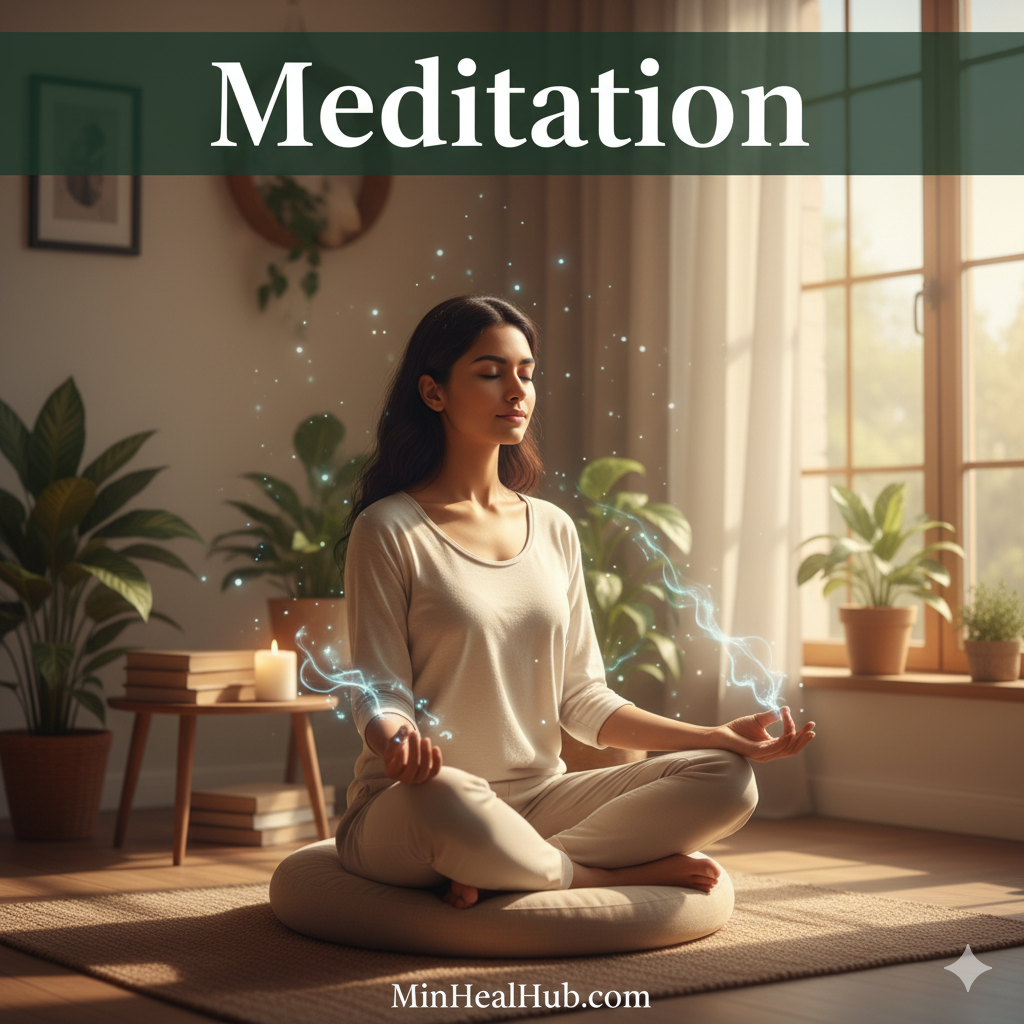
Not everyone is ready for long meditation sits, and that’s perfectly fine. The meditation practice that works is the one you’ll actually do. Short guided sessions—five to ten minutes—offer an accessible entry into mindfulness and can be done in waiting rooms, before meetings, at your desk, or during your commute (when not driving, of course).
Choose a voice and style that feels friendly. Some people respond to calm, gentle guidance, while others prefer more energetic coaching. Consistency matters more than length: a daily five-minute practice builds attention and emotional balance over time, creating stronger effects than sporadic longer sessions.
Audio Libraries and Podcasts: Variety Keeps Practice Fresh
Curated audio libraries and mindful podcasts provide variety and keep practice fresh. Repetition builds habit, but variety prevents boredom. Select themes that match your current goals: focus-building meditations for work days, sleep-preparation practices for evenings, or self-compassion sessions when you’re being hard on yourself.
Listening to a familiar series can become a comforting ritual that signals a transition into quiet time or productive focus. Many practitioners develop favorite teachers whose voices become associated with calm, creating a Pavlovian response that triggers relaxation.
Meditation themes to explore:
- Body scan for physical tension release
- Loving-kindness for relationship stress
- Visualization for goal-setting and motivation
- Open awareness for general mindfulness
- Walking meditation for moving practices
- Sound-based meditation for auditory learners
Building a Sustainable Meditation Practice
Starting meditation often feels awkward or frustrating. Your mind wanders, you feel restless, or you wonder if you’re “doing it right.” These experiences are completely normal and actually part of the practice. Every time you notice your mind has wandered and gently bring it back, you’re strengthening your attention muscles.
Start with just two minutes if longer feels overwhelming. Set a timer, sit comfortably, and simply notice your breath. When thoughts arise—and they will—acknowledge them without judgment and return to the breath. That simple cycle of wandering and returning is the entire practice. Over weeks, gradually extend your time by a minute or two.
Read also : 5 Life Lessons You Learn Through Stillness
Journaling Practices and Tools: Writing Your Way to Clarity
Simple Prompts for Awareness and Growth
Journaling boosts emotional clarity without heavy introspection or perfect grammar. This isn’t English class—no one grades your entries. Short prompts such as “What am I feeling right now?” or “One small win today” invite reflection and cultivate gratitude without the pressure of producing profound insights.
A morning or evening note-taking habit—five to ten lines—supports emotional well-being by clarifying priorities and reducing rumination. Morning journaling helps you set intentions and process lingering dreams or concerns. Evening journaling allows you to download the day’s events, celebrating wins and learning from challenges.
Powerful journaling prompts:
- What made me smile today?
- What challenged me, and what did I learn?
- Who or what am I grateful for right now?
- What do I need to let go of?
- What would make tomorrow great?
- How did I show up as my best self today?
- What needs my attention but keeps getting postponed?
Formats That Fit Real Life
Pick a format that feels inviting: a pocket notebook, a digital note app, or a structured gratitude journal. Bullet lists, habit trackers, and one-line entries are great for busy days. Some people love beautiful leather-bound journals with thick pages, while others prefer practical spiral notebooks or phone apps.
Consistency beats perfection every single time. A few honest sentences each day form a powerful archive of growth and insight over months and years. When you review entries from weeks or months ago, you’ll notice patterns, track progress, and gain perspective on how much you’ve grown.
Different Journaling Methods to Try
Gratitude Journaling: List three things you’re grateful for each day. Research shows this simple practice significantly increases happiness and reduces depression symptoms.
Stream of Consciousness: Set a timer for five minutes and write without stopping, editing, or censoring. This “morning pages” technique clears mental clutter and surfaces subconscious thoughts.
Bullet Journaling: Combine planning, tracking, and reflection in a customizable analog system using symbols and short entries.
One Line a Day: Perfect for consistency-builders, these journals provide a small space for each date, letting you track five years in one book and see patterns across years.
Prompted Journals: Structured journals with daily questions guide your reflection and require minimal creative energy.
Focus Tools and Environment: Optimizing Your Space
Timers and the Pomodoro Method
Structured focus periods, like the Pomodoro technique (25 minutes focused, 5 minutes break), help you work with attention rather than against it. Our brains aren’t designed for marathon focus sessions. Instead, we thrive with oscillation between intensity and recovery.
Timers create momentum and clear boundaries between work and rest. When you know a break is coming in 25 minutes, it’s easier to resist distractions. That finish line makes sustained focus feel achievable rather than endless.
Short, intentional breaks that include stretching or breathing reinforce calm and prevent burnout. Don’t spend breaks scrolling social media—that’s not true recovery. Instead, step away from screens, move your body, hydrate, or practice a brief breathing exercise.
Variations on Pomodoro:
- 52-17 Method: 52 minutes work, 17 minutes break (based on productivity research)
- 90-Minute Ultradian Cycles: Match your brain’s natural focus rhythms
- Micro-Pomodoros: 15 minutes work, 3 minutes break for days when focus is difficult
- Extended Focus: 50 minutes work, 10 minutes break for deep work sessions
Decluttered Spaces and Gentle Tech Habits
Your environment profoundly affects attention. A tidy workspace, muted notifications, and a single focus app reduce distractions and encourage steady concentration. Visual clutter creates mental clutter—each item in your field of vision requires a tiny bit of cognitive processing power.
Consider a “phone-free” drawer for focused blocks or a simple app that limits certain notifications during your chosen focus times. Many smartphones now include focus modes that automatically silence non-essential alerts during designated periods.
Creating a focus-friendly environment:
- Clear your desk of everything except current task items
- Use noise-cancelling headphones or ambient sound
- Position your screen to minimize visual distractions
- Keep water and healthy snacks within reach
- Ensure good lighting to reduce eye strain
- Set room temperature to comfortable (slightly cool optimizes alertness)
- Use plants or nature elements to reduce stress
Digital Minimalism for Mental Space
Technology serves us or we serve it—the choice is ours. Digital minimalism means intentionally curating your tech use to support your values rather than undermine them. This doesn’t require abandoning smartphones or social media, just using them deliberately.
Audit your apps monthly. Which ones actually add value? Which create anxiety or consume time without satisfaction? Remove or restrict the latter. Turn off all non-essential notifications. Batch-check email and messages at designated times rather than responding to each ping. These boundaries protect your attention and reduce the constant low-level stress of always being “on.”
Daily Routines That Stick: Building Sustainable Habits
Micro-Habits for Calm
Micro-habits are tiny actions repeated daily—one minute of mindful breathing, noting one thing you’re grateful for, or a short stretch. These small steps build momentum for larger change without triggering resistance. When habits feel too big, we procrastinate. When they’re micro-sized, our brains don’t mount a defense.
Anchor new tools to existing parts of your day: meditate after brushing your teeth, journal with your morning tea, or do breathing exercises while your coffee brews. Anchoring—also called “habit stacking”—makes habits easier to maintain by piggybacking on established routines your brain already performs automatically.
Examples of micro-habits:
- Three deep breaths before checking your phone
- One grateful thought while washing your hands
- Thirty-second stretch every hour
- Five-minute meditation before dinner
- Two-minute journaling before bed
- Brief body scan while waiting for computer to boot
- Mindful sip of morning beverage before multitasking begins
Gentle Scheduling: Making Time Sacred
Block calm time into your calendar like any other appointment. If it’s not scheduled, it won’t happen—especially for caretakers and people-pleasers who prioritize others’ needs. Even five-minute breaks scheduled at consistent times create predictability and help maintain emotional balance.
Over time, these small blocks add up to a calmer, more focused day. Think of them as preventive maintenance for your mental health, like brushing your teeth prevents cavities. Would you skip brushing because you’re too busy? Your mental wellness deserves the same non-negotiable status.
The Power of Morning and Evening Rituals
Bookending your day with intentional practices creates structure and signals transitions to your brain. Morning rituals set the tone for your day, helping you start with intention rather than reaction. Evening rituals help you decompress, process the day, and prepare for restorative sleep.
Your rituals don’t need to be elaborate. A simple morning sequence might include: wake up, drink water, five-minute meditation, gratitude journaling, and reviewing daily intentions. An evening ritual might include: device cutoff time, light stretching, brief journaling, and bedtime reading.
Simple Practices for Emotional Balance
Daily Check-Ins: Tuning Into Your Inner State
Build a brief emotional check-in into your routine. Ask yourself, “What do I need right now?” Acknowledge your state with curiosity instead of judgment. You might discover you need rest, movement, connection, solitude, nourishment, or simply acknowledgment of difficult feelings.
Check-ins increase self-awareness and guide better choices for how to respond to stress or fatigue. Without this pause, we often push through exhaustion, ignore our needs, or numb uncomfortable emotions. Regular check-ins help you catch small issues before they become crises.
Structured check-in questions:
- How am I feeling physically? (tension, energy, comfort)
- What emotions am I experiencing? (without judgment)
- What thoughts keep recurring? (identifying mental patterns)
- What do I need most right now? (and can I provide it?)
- Am I hungry, angry, lonely, or tired? (HALT check)
Self-Compassion and Supportive Language
Speak to yourself like a reliable friend. Replace harsh self-criticism with gentle reminders: “I’m doing my best,” “This moment will pass,” or “It’s okay to struggle with difficult things.” Most of us maintain a cruel inner critic we’d never tolerate from an external person.
Self-compassion is a practice and a tool that fosters resilience, steadier focus, and kinder interactions with yourself and others. Research by Dr. Kristin Neff demonstrates that self-compassion—not self-esteem—predicts psychological well-being. Self-compassion provides unconditional support, while self-esteem requires achievement and comparison.
Practicing self-compassion:
- Notice your self-talk and identify harsh patterns
- Ask: “Would I say this to a friend?”
- Reframe criticism as supportive feedback
- Acknowledge common humanity: “Everyone struggles”
- Place hand on heart during difficult moments
- Use your own name when offering self-comfort
- Practice self-compassion meditation regularly
Emotional Regulation Techniques for Daily Life
Beyond general calmness, specific techniques help navigate intense emotional moments. When overwhelmed, anxious, or upset, having a toolkit of regulation strategies prevents reactions you’ll later regret.
Quick emotional regulation tools:
- 5-4-3-2-1 Grounding: Name 5 things you see, 4 you touch, 3 you hear, 2 you smell, 1 you taste
- Temperature Change: Splash cold water on face or hold ice to activate dive reflex
- Bilateral Stimulation: Alternate tapping knees or shoulders to calm nervous system
- Containment Visualization: Imagine placing overwhelming feelings in a container to address later
- Movement: Walk, stretch, or shake to discharge stress energy
- Vocalization: Hum, sing, or use long exhales to stimulate vagus nerve
Measuring Progress and Celebrating Growth
Tracking Without Obsessing
While consistency matters, avoid turning wellness practices into another source of stress. Track your habits gently—perhaps with simple checkmarks—but don’t berate yourself for imperfect adherence. Life happens. Some days you’ll maintain all your practices; others you’ll manage just one or none.
Progress isn’t linear. You’ll have excellent weeks followed by challenging ones. What matters is the overall trajectory over months, not daily perfection. Think of your practices like learning an instrument—some practice sessions feel productive while others feel clumsy, but consistent effort leads to skill over time.
Reflecting on Changes
Monthly review your journal entries, habit tracking, or simply notice internal shifts. Are you sleeping better? Feeling less reactive? Experiencing more moments of presence? These subjective improvements matter more than any objective metric.
Celebrate small wins. Noticing you handled a stressful situation differently than you would have months ago deserves acknowledgment. Realizing you’ve maintained a practice for 30 days straight is an achievement. These celebrations reinforce new patterns and motivate continued growth.
Overcoming Common Obstacles
“I Don’t Have Time”
This is the most common obstacle and the most important to address. You don’t need hours—you need minutes. Even two minutes daily creates change. The question isn’t whether you have time, but whether you’re prioritizing it.
Consider: you probably check your phone dozens of times daily, collectively spending significant minutes scrolling. Those same minutes could support your well-being. It’s not about adding more to your schedule; it’s about redirecting existing time toward what serves you.
“I Keep Forgetting”
Set reminders, create visual cues, and use habit stacking. Place your journal on your pillow so you see it at bedtime. Set phone alarms for breathing breaks. Link practices to unavoidable daily activities like brushing teeth or making coffee.
“I’m Not Doing It Right”
There’s no perfect way to practice mindfulness or journaling. If you’re doing it, you’re doing it right. Perfectionism often masks fear of starting. Give yourself permission to be beginner, to be messy, to experiment and adjust.
“I Started But Stopped”
Most people abandon new practices multiple times before they stick. Each attempt teaches you something about what works and what doesn’t. Rather than viewing stopping as failure, see it as data collection. What got in the way? What would make it easier? Then try again with adjustments.
Conclusion: Your Journey to Daily Calm Begins Now
Calm and focus aren’t distant goals reserved for people with more time, resources, or discipline. They’re cultivated through small tools and steady routines accessible to everyone right now. Choose a few accessible practices—short breathwork, a simple journaling habit, a focused timer—and weave them into daily life with gentleness and consistency.
Over time, these gentle habits deepen awareness, support emotional well-being, and make personal development feel natural and sustainable rather than forced or overwhelming. The tools outlined in this guide offer multiple entry points, so start where you feel most drawn. Trust that small, consistent actions compound into meaningful change.
Pause right now. Take three deep breaths. Choose one practice from this guide to try today. Notice the quiet changes that follow over days and weeks. Your calmer, more focused life isn’t waiting somewhere in the future—it begins with this present moment and whatever small step you take next.
Read also : A Simple 5-Minute Morning Mindfulness Routine for Journaling, Emotional Balance, and Personal Growth
Frequently Asked Questions (FAQ)
How long does it take to see benefits from daily mindfulness practices?
Many people notice small improvements within 1-2 weeks of consistent practice, such as feeling slightly calmer or more present. More substantial changes in stress management, emotional regulation, and focus typically become apparent after 4-8 weeks of regular practice. Research shows that eight weeks of daily meditation can create measurable changes in brain structure, particularly in areas related to memory, empathy, and stress. Remember that benefits accumulate gradually, and consistency matters more than duration—five minutes daily outperforms occasional longer sessions.
What’s the best time of day to practice mindfulness or meditation?
The best time is whenever you’ll actually do it consistently. That said, many people find morning practice sets a positive tone for the day, helping them start with intention rather than reacting to demands immediately. Evening practice helps process the day and transition to restful sleep. Some people benefit from midday practices that break up work stress. Experiment with different times for two weeks each and notice which feels most sustainable and beneficial for your lifestyle and goals.
Do I need special equipment or apps to start these practices?
No special equipment is required. Your breath is always available for breathing exercises, any notebook works for journaling, and you can use your phone’s built-in timer for focus periods. That said, apps can provide helpful structure, guidance, and reminders when starting. Many excellent free options exist for meditation, breathing exercises, and habit tracking. Start with what you have, and add tools only if they genuinely enhance your practice rather than complicating it.
How do I stay consistent when motivation fades?
Motivation naturally fluctuates, so build systems that work even when motivation is low. Start extremely small—one minute instead of ten—so the barrier to entry stays low. Attach practices to existing habits (habit stacking), schedule them like appointments, and create environmental cues (journal on nightstand, meditation cushion in visible spot). Track your practice simply to see your streak grow. Most importantly, recommit after missed days without self-judgment—consistency means returning, not perfection.
Can these practices help with anxiety and depression?
Research shows that mindfulness, journaling, and self-compassion practices can significantly help manage anxiety and depression symptoms. Studies demonstrate that mindfulness-based interventions reduce anxiety and depression comparably to medication for some individuals. However, these practices complement but don’t replace professional mental health treatment for moderate to severe conditions. If you’re struggling significantly, please consult a mental health professional. These tools work best as part of a comprehensive approach to mental wellness.
What if I find meditation uncomfortable or frustrating?
Discomfort and frustration are completely normal, especially when starting. Your mind wanders constantly—that’s what minds do. Meditation isn’t about stopping thoughts but noticing them without judgment. Start with just 2-3 minutes, try different styles (guided, movement-based, sound-focused), and remember that noticing you’re distracted and returning to focus IS the practice. If sitting meditation truly doesn’t work, explore walking meditation, mindful movement, or body scans. There’s no single “right” way to be mindful.
How can I make journaling a habit when I’m not a natural writer?
You don’t need to be a “good writer” to benefit from journaling. Try bullet points, single sentences, or even emojis to represent your day. Use simple prompts like “Three good things today” or “One challenge and what I learned.” Consider voice-to-text if writing feels tedious, or try drawing/doodling instead of words. Set a timer for just five minutes so it doesn’t feel endless. Remember: journaling is for you alone, never graded or judged. Even messy, imperfect entries provide clarity and emotional release.
What’s the difference between mindfulness and meditation?
Mindfulness is the quality of being present and fully engaged with whatever you’re doing, without judgment. Meditation is a formal practice that trains mindfulness through focused attention (on breath, body, sounds, etc.). You can practice mindfulness anytime—while eating, walking, or washing dishes—by bringing full attention to the experience. Meditation is typically a dedicated practice period where you intentionally train your attention. Both support each other: meditation strengthens your mindfulness muscle, and daily mindfulness reinforces meditation skills.
Reference Links:
https://en.wikipedia.org/wiki/Meditation#References
https://en.wikipedia.org/wiki/Mindfulness#References
2 thoughts on “Tools That Help You Build Daily Calm and Focus in 2025”